

Do you help someone who couldn’t manage without you? If the answer is yes, then you may be a carer – even if you’ve never thought of yourself in those terms.
Across Dorset, thousands of people provide unpaid care for someone they know. Caring can involve all sorts of things: preparing food or shopping, managing medication, arranging appointments and dealing with paperwork, helping someone move around or with their personal care, keeping an eye on their health and wellbeing, coordinating other services, or providing the emotional support that helps somebody manage from day to day.
Caring can develop within all kinds of relationships. Someone may become ill, develop a disability or health condition, experience deteriorating health or simply begin to need more help. A friend, neighbour, partner, parent, child, sibling or other relative may gradually find themselves taking on additional responsibilities because someone couldn’t manage without their help. It is this additional caring role, rather than simply the relationship between two people, that makes somebody a carer.
There isn’t one typical caring experience, and needs can change quickly for both the carer and the person they support. At Help and Kindness, we hear regularly from people who have reached a point where caring has become exhausting or isolating. Some tell us that their world has gradually become smaller, with little opportunity to get out, see friends or have a break.
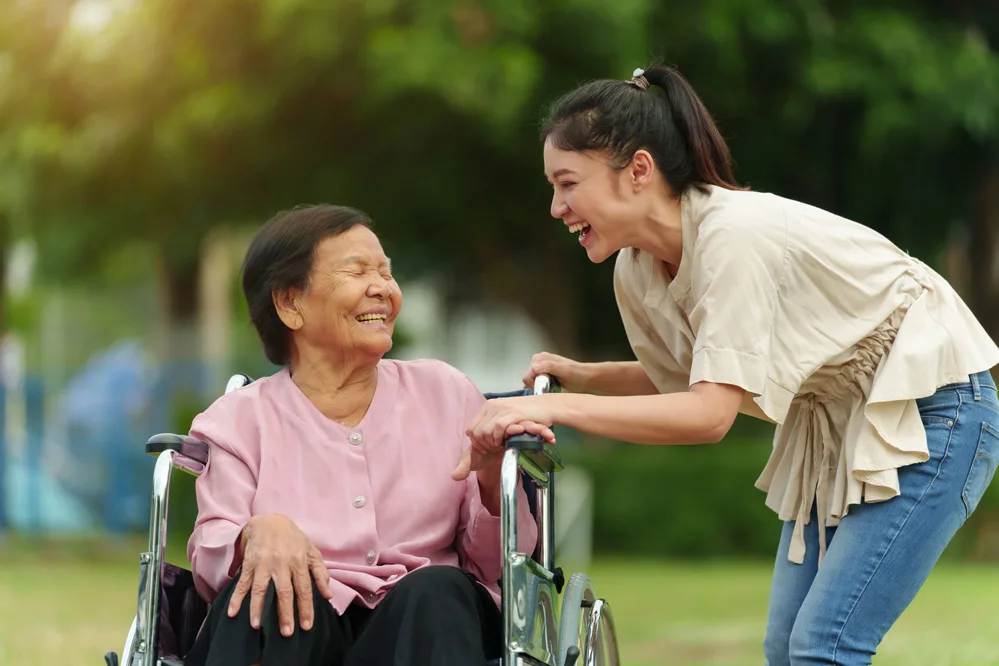
Knowing you’re a carer matters
There is a considerable amount of support available to carers in Dorset. But finding it sometimes depends upon first being recognised or registered as a carer. That’s why organisations across Dorset are working together to help more people recognise the caring role they already have and connect with support earlier.
In the Dorset Council area, Help & Care provides the council’s carers service, while BCP Council has its own carers support arrangements. Your GP can also record that you are a carer.
Being recognised as a carer can open the door to practical advice, carers’ assessments, financial and benefits advice, wellbeing support, local groups and opportunities to meet people who understand some of the same challenges.
Getting support earlier can help caring remain manageable, for the person providing care as well as the person they care for. That support might be practical advice, help understanding any changing medical or emotional needs, finding activities or additional services, meeting others in similar situations, or checking whether caring is affecting your finances and whether you are receiving the benefits or other help you are entitled to.
Support before crisis point
At Help and Kindness, we see how much time and energy carers give every day, but also how quickly that responsibility can become exhausting or overwhelming. We want people to find support before they reach crisis point, and to know that asking for help for themselves is just as important as finding it for the person they care for.
Earlier support can help carers maintain their wellbeing and manage changing circumstances before they become overwhelming.
Help and Kindness is also working with partners to understand whether that support can reduce falls, hospital visits and emergency respite, or prevent a caring arrangement reaching crisis point.
Most importantly, we’re trying to make finding help simpler. You don’t need to understand the system before asking for support. If you’re helping someone who couldn’t manage without you, that is enough reason to start a conversation.
Help and Kindness can help you find the right support, for the person you care for and for you. Call us on
01305 59 59 58 or [email protected]