

Fungi are among the most important – but overlooked – wildlife in Dorset. From bright orange brackets on ancient trees to delicate waxcaps hidden in grassland, they help recycle nutrients, support healthy ecosystems … and, of course, add welcome colour to autumn walks!
Fungi are most abundant in Dorset from late summer to early winter, with autumn – now – being the peak season. The best time to explore is after a spell of rain and in the early morning, when the ground is damp but not waterlogged.
Different fungi prefer different habitats, so knowing where to look is key. Woodland areas, particularly those with older trees like oak, birch and beech, are rich hunting grounds. Grasslands, such as chalk downlands, are great for waxcaps, while heathlands can yield a variety of fungi in more acidic soils.
Eight species to look out for
Turkeytail is one of the most common bracket fungi in Dorset. Its velvety bands of cream, brown, grey and purple grow in overlapping tiers on fallen hardwood. Look for it along woodland paths at Ashley Wood, Bracketts Coppice and Powerstock Common, where deadwood provides ideal habitat.
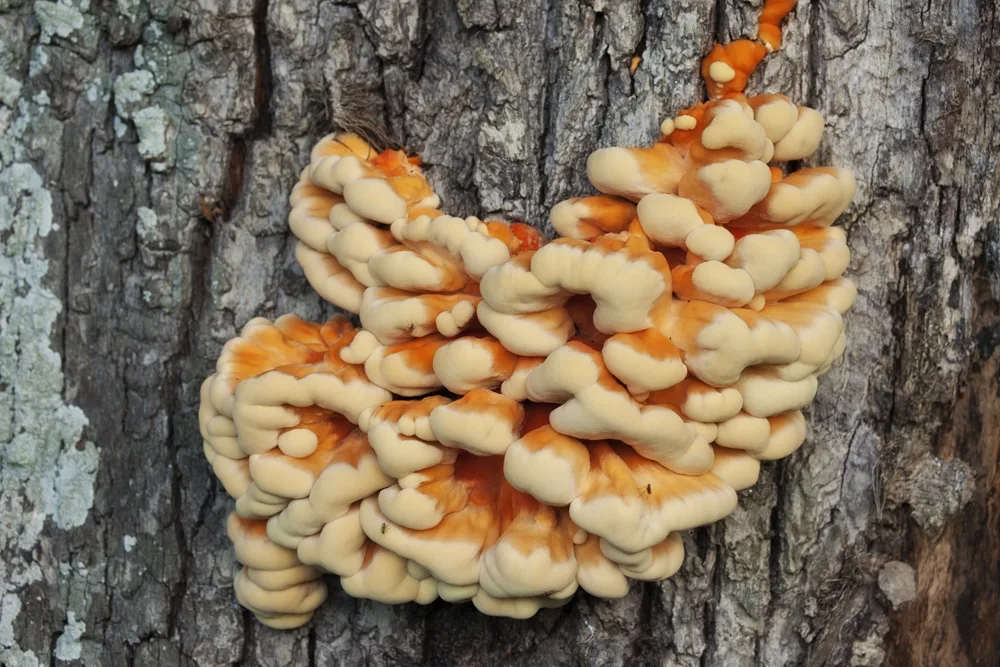
Another spectacular bracket fungus is chicken of the woods. Its bright sulphur-yellow shelves stand out on mature oak trees, and can occasionally be found in Dorset’s ancient woodlands, particularly at Ashley Wood and Kingcombe Meadows, where veteran trees support a rich community of fungi.
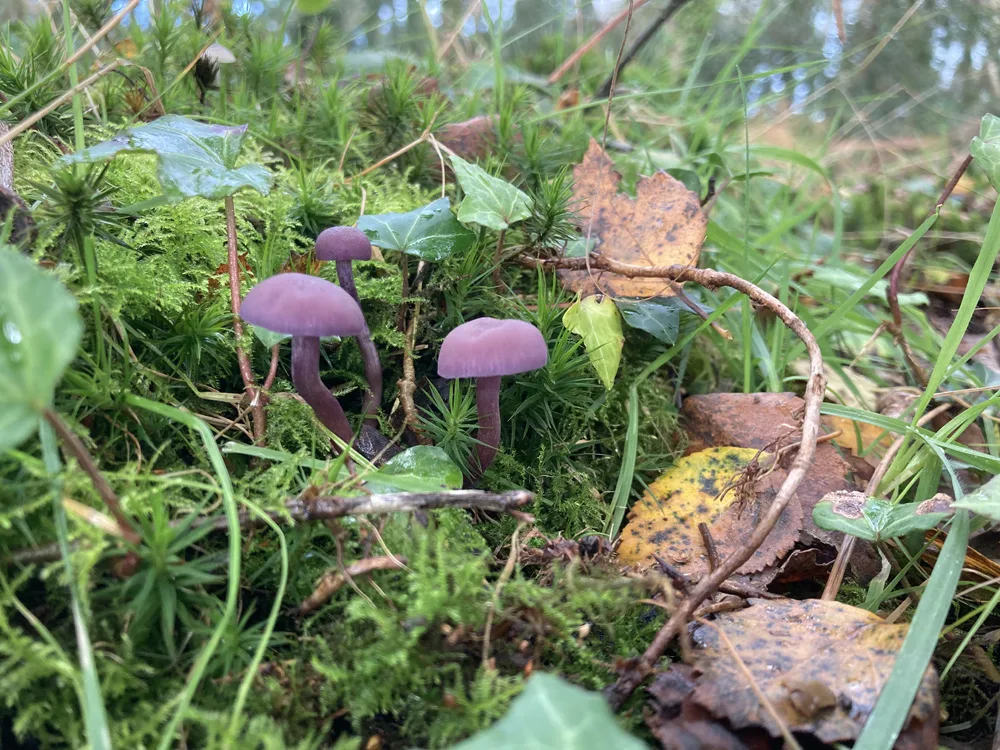
The striking purple amethyst deceiver grows among woodland leaf litter and mosses. It is most likely to be found during autumn in broadleaved woodland at Powerstock Common, Ashley Wood and Bracketts Coppice.
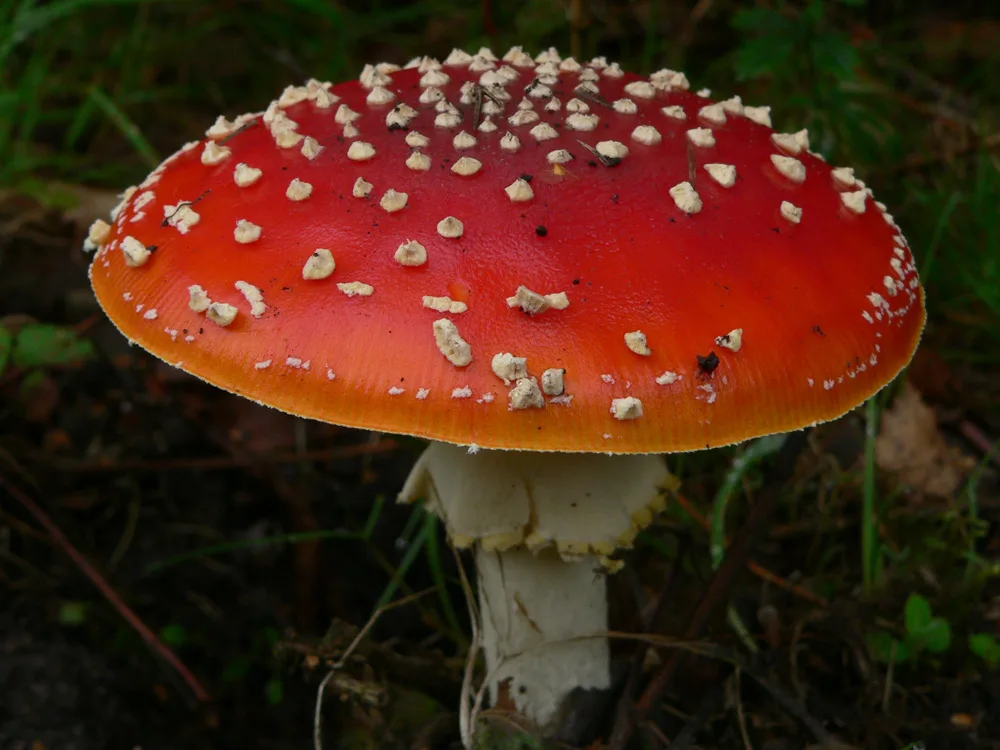
Perhaps Britain’s most famous fungus, fly agaric, looks as though it belongs in a fairy tale. Its bright red cap, dotted with white warts, is most often associated with birch and pine. Visitors to Upton Heath and Powerstock Common may be lucky enough to spot this unmistakable species beneath scattered trees in autumn.
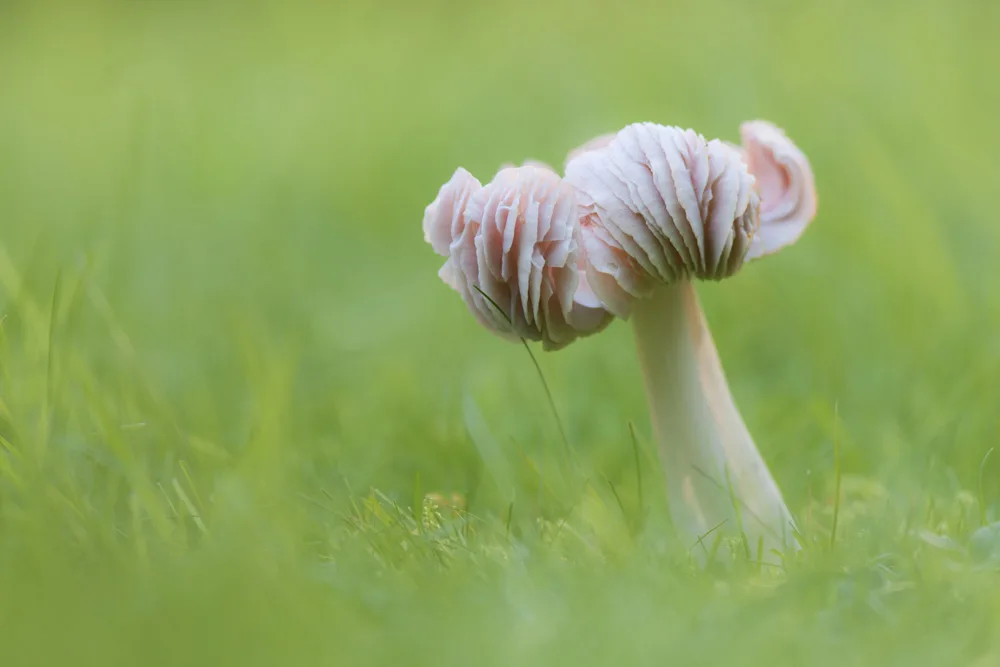
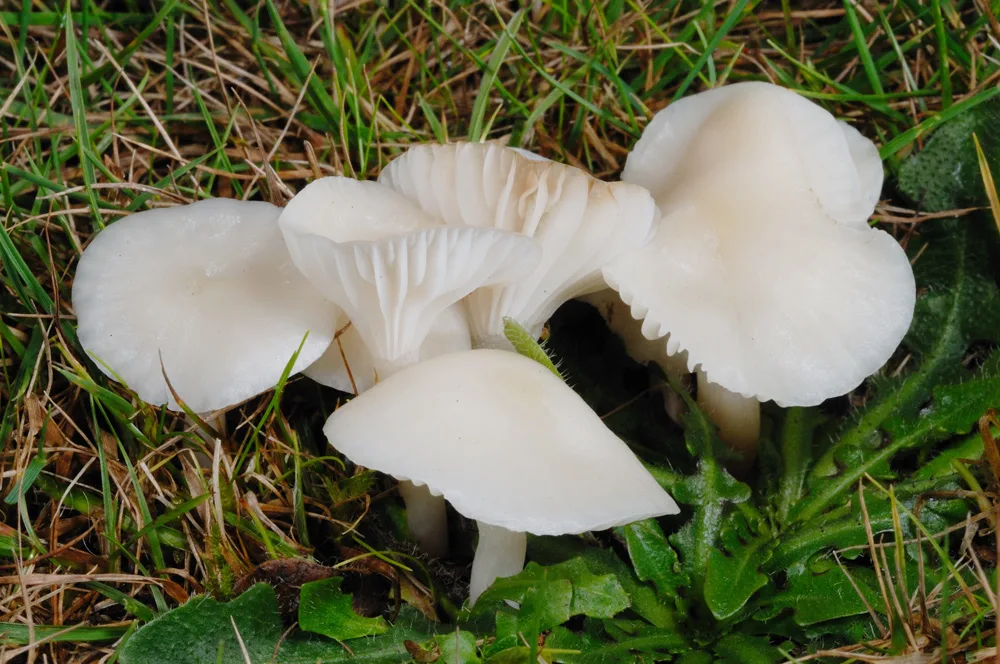
Away from the woodlands, Dorset’s species-rich grasslands support colourful waxcaps, indicators of unimproved grassland. The delicate pink waxcap and elegant snowy waxcap can sometimes be found on grassland reserves such as Lorton Meadows and Kingcombe Meadows, where traditional management helps maintain the low-nutrient conditions these fungi require.
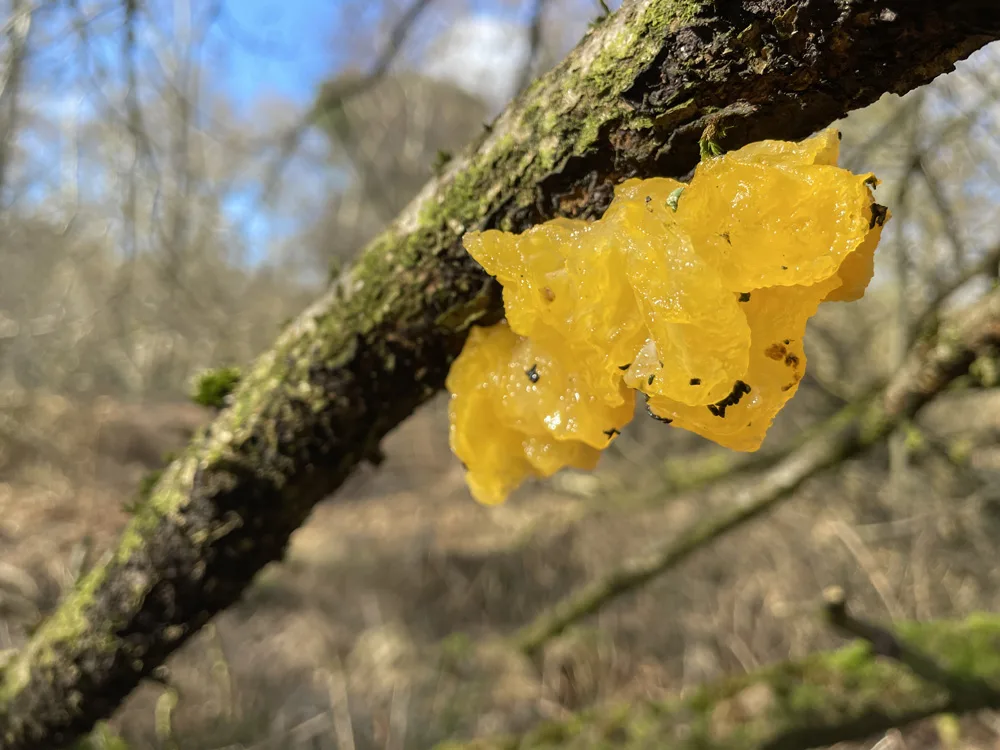
On Dorset’s heathlands, the unusual yellow brain can often be found on gorse stems. Following wet weather, its bright orange, jelly-like folds are particularly noticeable at Upton Heath and Winfrith Heath.
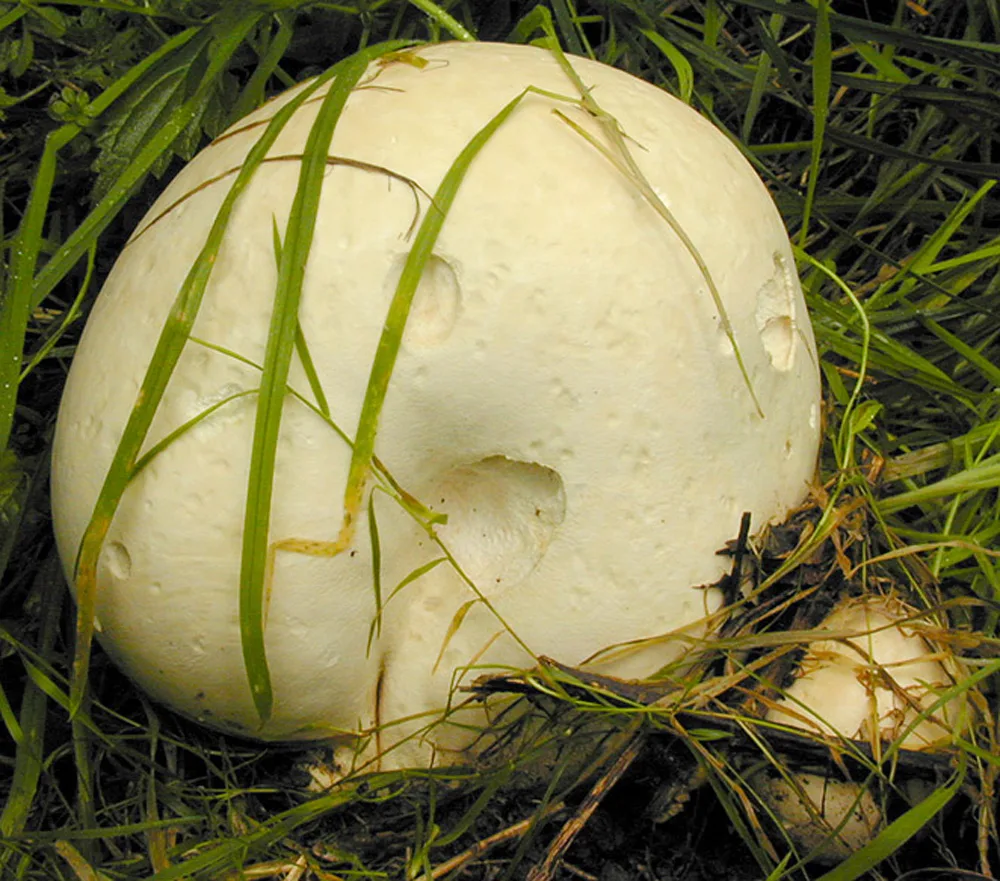
One of Dorset’s most impressive fungi is the giant puffball. Sometimes reaching the size of a football, it grows in rough grassland and field margins. It can occasionally be seen around the grassland edges of Kingcombe Meadows and Lorton Meadows in late summer and autumn.
Whether you’re exploring ancient woodland, species-rich meadows or Dorset’s iconic heathlands, taking a closer look could reveal an astonishing world of fungi hidden in plain sight.
© Tom Hibbert
Please remember that many wild fungi are poisonous and some can be deadly. They can be difficult to identify and so never eat fungi found unless they have been identified with absolute certainty by an expert. Please leave all fungi undisturbed on Dorset Wildlife Trust nature reserves.
Visit dorsetwildlifetrust.org.uk/fungi for more information. For a guided walk to learn more about local fungi, DWT also run Fungi Forays in the autumn – see the events page for further details