

Back in 2021, an extraordinary transformation began on a stretch of intensively farmed land on the edge of Bere Regis.
Today, Wild Woodbury – Dorset Wildlife Trust’s flagship community rewilding project – is proving just how quickly nature can recover when given space, time and a bit of a helping hand.
When Dorset Wildlife Trust acquired the 170-hectare site, wildlife was hanging on by a thread. Former arable fields and rye grass pasture dominated, while deep drainage systems funnelled water away from the land.
Surveys painted a stark picture: just two meadow brown butterflies were recorded across the entire site, and only two skylarks were heard singing.
Wildlife returns in abundance
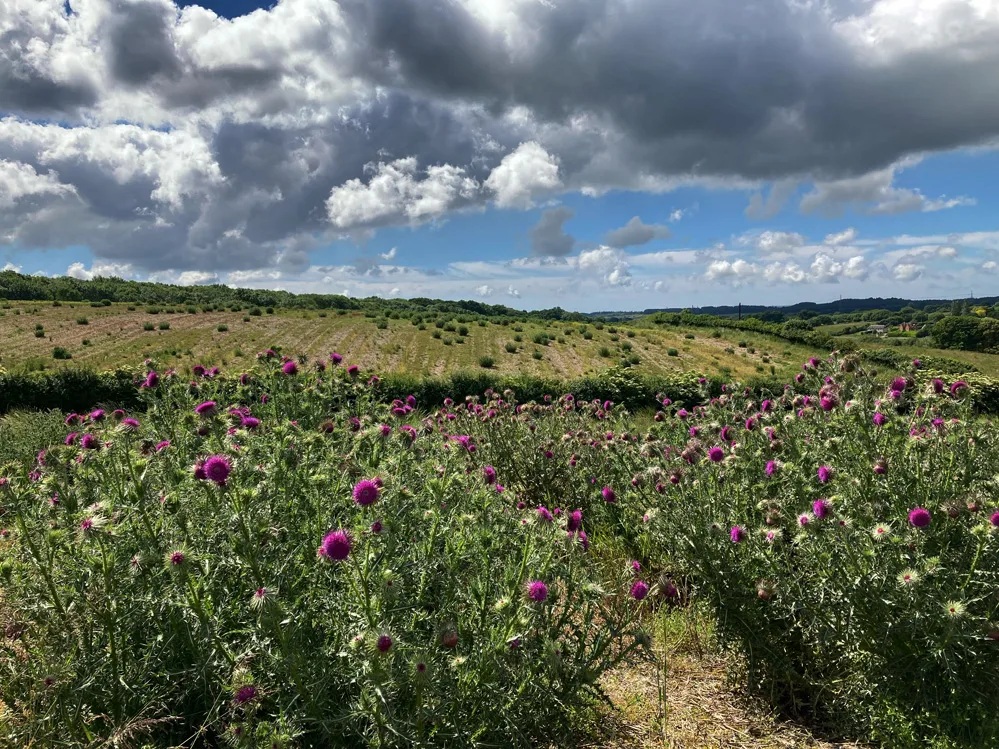
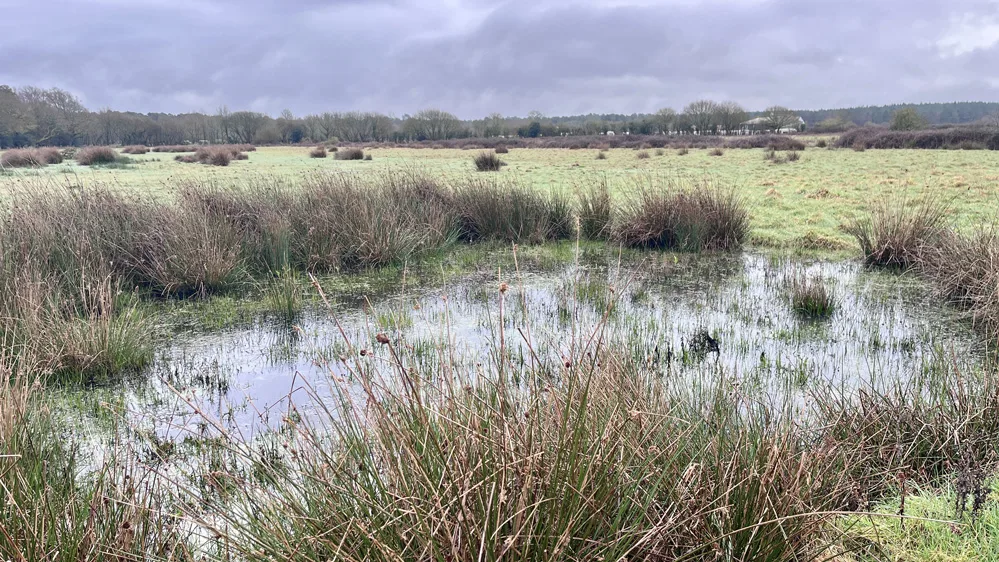
By allowing natural processes to shape the landscape, along with introducing a carefully-managed mix of grazing animals, Wild Woodbury has become a rich mosaic of wetlands, grasslands, scrub and emerging woodland. Water that once rushed away through drains now spreads naturally across the site, creating ponds, marshes and seasonal wetlands that support an explosion of wildlife.
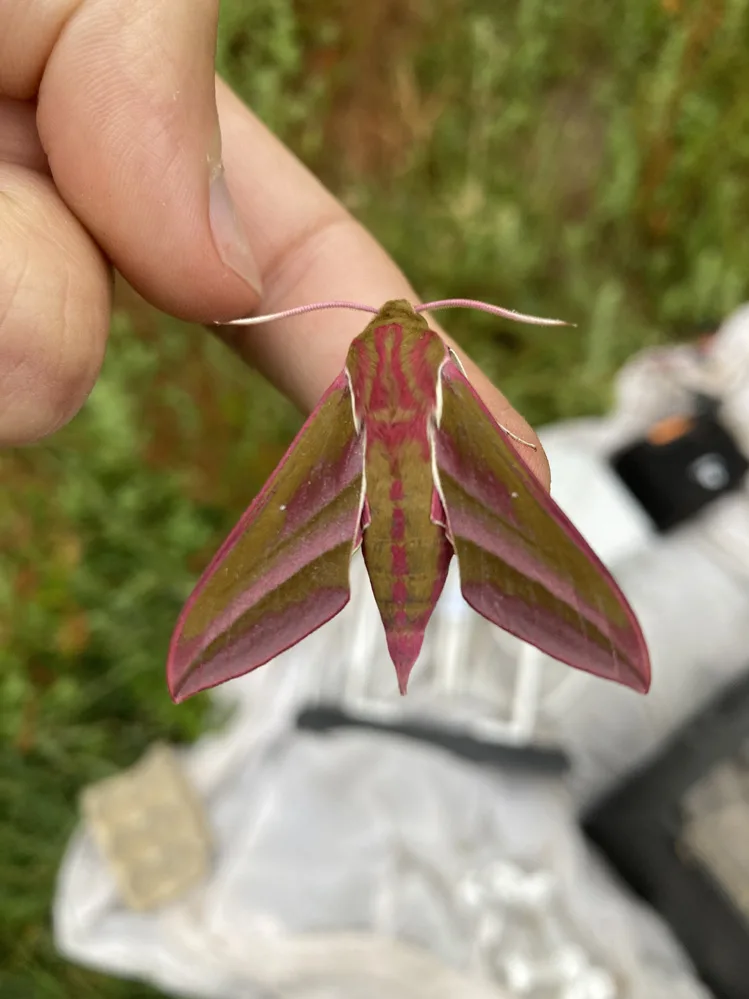
The numbers tell a story: more than 40 hectares of wetland habitat have been created; 125 bird species have been recorded – including 28 on the UK Red List – and volunteer surveyors have identified more than 600 invertebrate species. Butterfly numbers have more than doubled since monitoring began in 2022.
© Seb Elwood
Some of the most dramatic changes have been among the birds. Skylarks increased from those two singing males to more than 55 within 18 months.
Tree pipits, once absent, now hold territories across the site, while species such as nightjar, snipe and curlew have all been recorded.
During winter, hen harriers and short-eared owls can be seen hunting over the recovering landscape.
©Seb Elwood
Bringing water back to the landscape
Wetland restoration has also brought nature back to areas that were once biologically impoverished. Frogs, toads and smooth newts appeared within months of rewetting the site, while dragonflies, grass snakes and adders have all increased significantly. One recent surprise was the discovery of a female adder in the middle of a former arable field, far sooner than ecologists expected suitable habitat to develop.
A place for people too
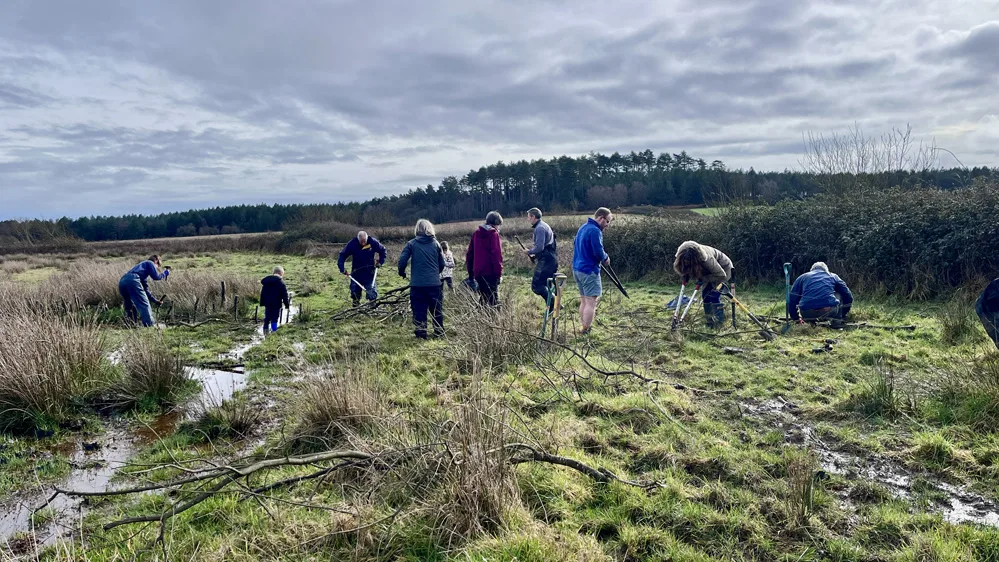
Wild Woodbury’s success is not only about wildlife. Community involvement has been central from the start. Volunteers have contributed thousands of hours to surveys, habitat management and events, while schools, youth groups and visitors have embraced the opportunity to experience nature’s recovery first-hand.
As Wild Woodbury enters its next chapter, the vision remains simple, but ambitious – to create a thriving, ever-changing landscape shaped by water, wildlife and people. If the first five years are any indication, nature’s capacity for recovery is even greater than we could have imagined.
Plan your own visit to Wild Woodbury: dorsetwildlifetrust.org.uk/VisitWildWoodbury