

One of the most important vehicles in British engineering history may have been scrapped 80 years ago – or it may not. Operation Mother is determined to find out
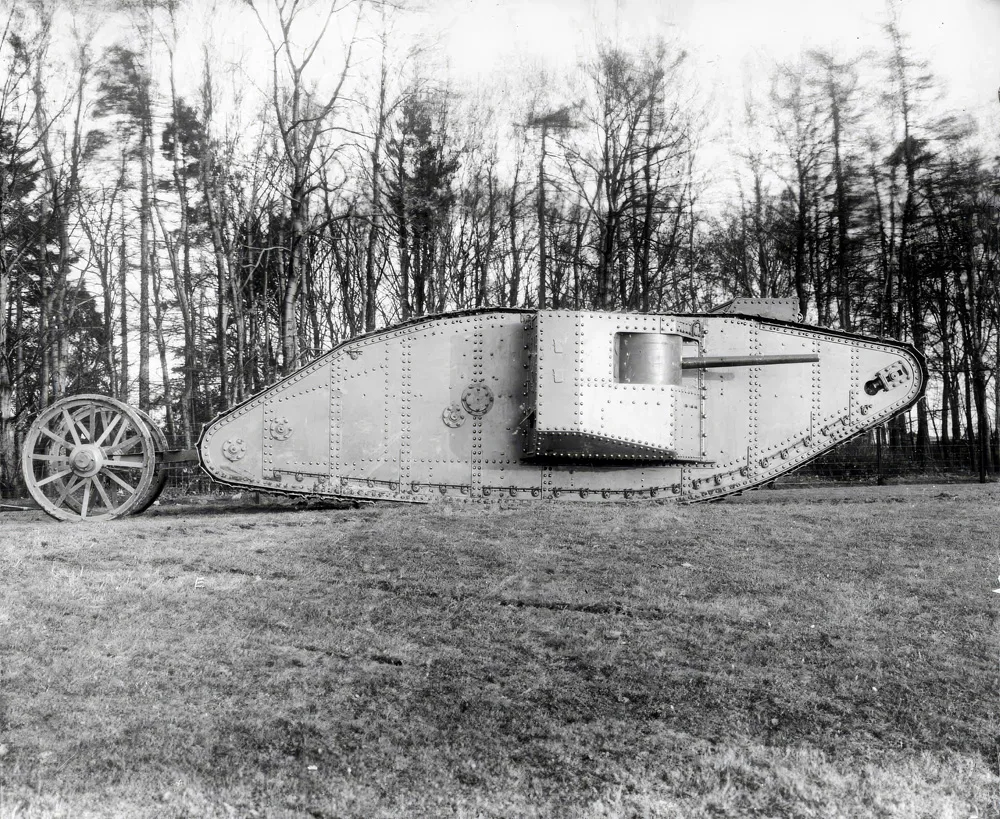
There is a chance that somewhere on the heathland around Bovington lies one of the most important vehicles ever built.
Perhaps it was destroyed more than 80 years ago.
Perhaps the accepted story is completely correct and there is nothing left to find.
But … perhaps it was saved.
And somewhere in Dorset there may still be a photograph, letter, postcard, diary or family story capable of helping us find out.
This is the story of Operation Mother.
I should probably begin with a confession: I am not a historian. I am a tank soldier and an enthusiastic amateur researcher who has spent a large part of his life around armoured vehicles.
For years, however, the First World War collection at Bovington was probably the area of The Tank Museum I spent the least time in. I could stand beside a Challenger or Chieftain and immediately understand something of the men who operated it. The strange rhomboid machines of 1916? From another age entirely. Then, during one of the museum’s Tankmas livestreams, the then-director Richard Smith was asked which tank he would most like to receive for Christmas.
His answer was ‘Mother’.
He explained that there were two stories about what happened to her. The accepted account was that Mother had been scrapped during the Second World War salvage drive.
But the other was much more intriguing – she might have been buried at Bovington.
That was the beginning of a rabbit hole which has now occupied several years of my life.
The Mother of the tank
During the First World War, military planners were desperately searching for something capable of crossing trenches, crushing wire and surviving machine-gun fire.
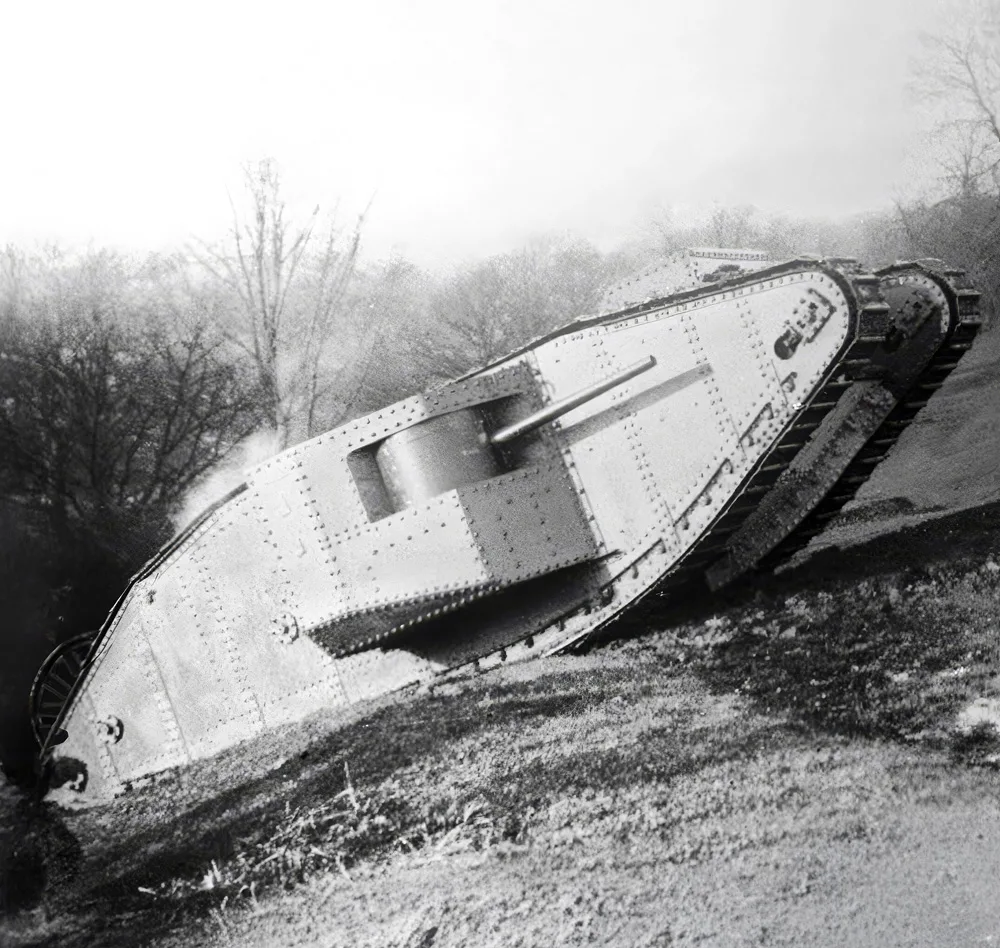
Among the experimental machines was a vehicle known variously as HMLS Centipede, Big Willie and, eventually, Mother.
Mother was first demonstrated at Hatfield in February 1916. The trials were successful enough for an order to follow for 150 tanks. Those production vehicles became the Mark I, which first went into action on the Somme in September 1916.
The Tank Museum describes Mother as the first successful prototype of the tank that would become the Mark I. In other words, she represents a critical point in the development of the tank.
After the war, Mother came to Bovington, arriving in early 1919.
And this is where her story becomes a Dorset story.
Bovington’s first tank museum
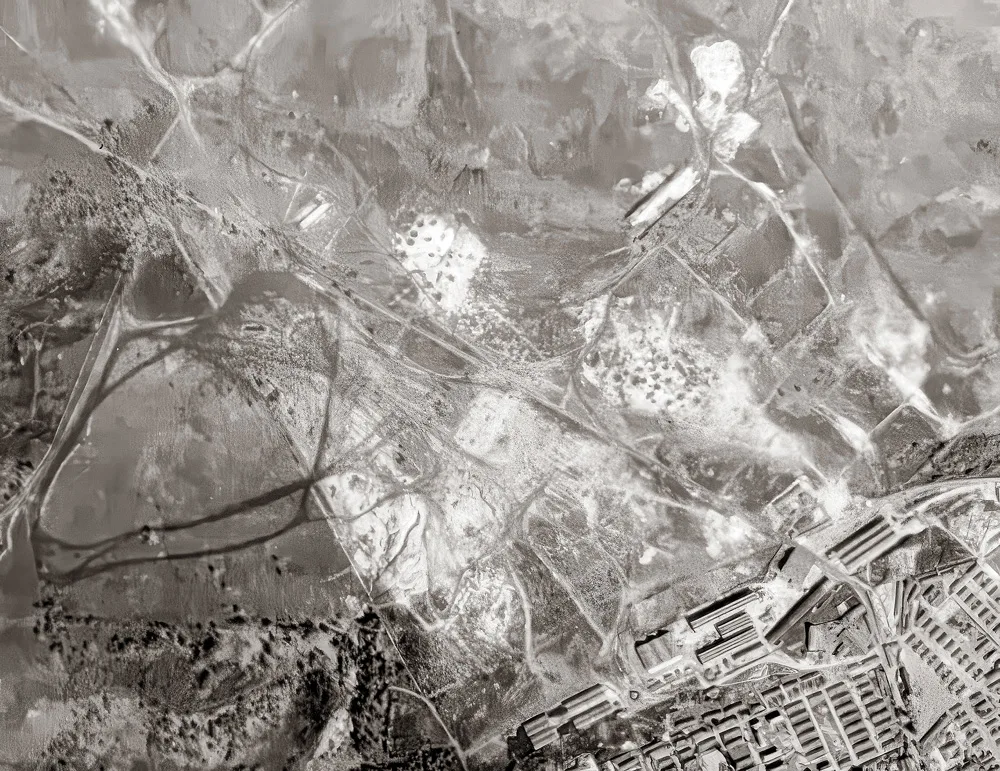
Long before today’s Tank Museum existed, Bovington possessed an extraordinary collection of early armoured vehicles.
It was rather less glamorous than the museum visitors know now.
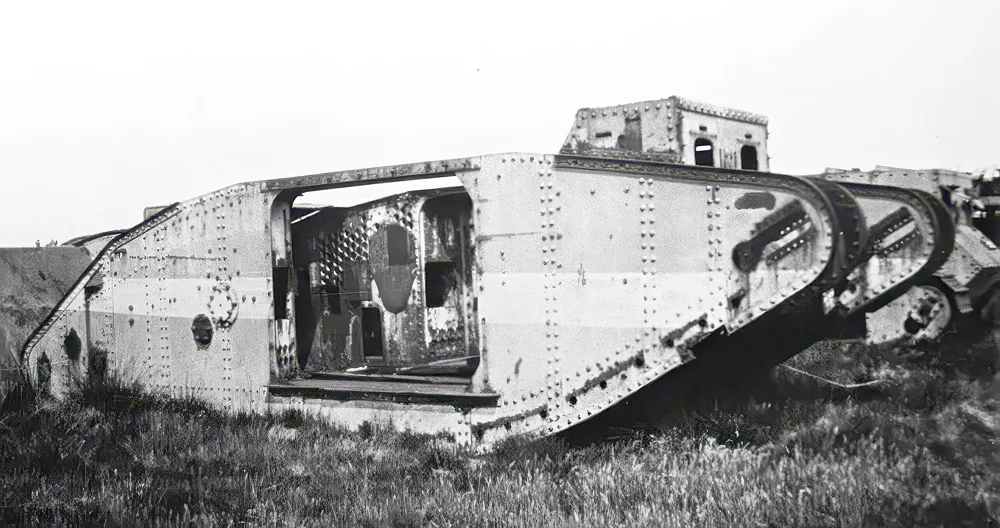
A description published in the Tank Corps Journal in 1926 spoke of roughly an acre of ground near the Driving and Maintenance School, surrounded by a broken fence and containing the remains of about 26 tanks. Blackberries grew among them, there were rabbits and, when it rained, enough water for the area to resemble a lake.
Some of the rarest vehicles in the history of armoured warfare were simply sitting outside in the Dorset weather.
Mother was among them.
In 1939 the collection was still there. But as the threat of invasion grew during 1940, its circumstances changed. Some museum vehicles were dispersed, and others were used in defensive roles around Bovington.
And at some point during this period, Mother disappeared.
Scrapped – or saved?
For decades the generally accepted answer has been straightforward: Mother was simply scrapped.
Britain desperately needed metal during the Second World War. Scrap drives were taking place across the country, and an obsolete First World War tank represented many tons of potentially useful material. Mother was also far from complete by this point. On the face of it, accounts of scrapping are entirely believable. But there has always been another story at Bovington.
Older members of The Tank Museum staff remember hearing that some of the historic tanks had not gone to the scrapyard at all.
They had been buried.
One of the men associated with that story was the late Graham ‘Chatty’ Taylor, a long-serving member of the museum’s workshop staff. Chatty often told people that his father had been involved with hiding the tanks during the war. It was an intriguing local story, but difficult to prove.
Then we found the letter …
Four tanks in the driving area
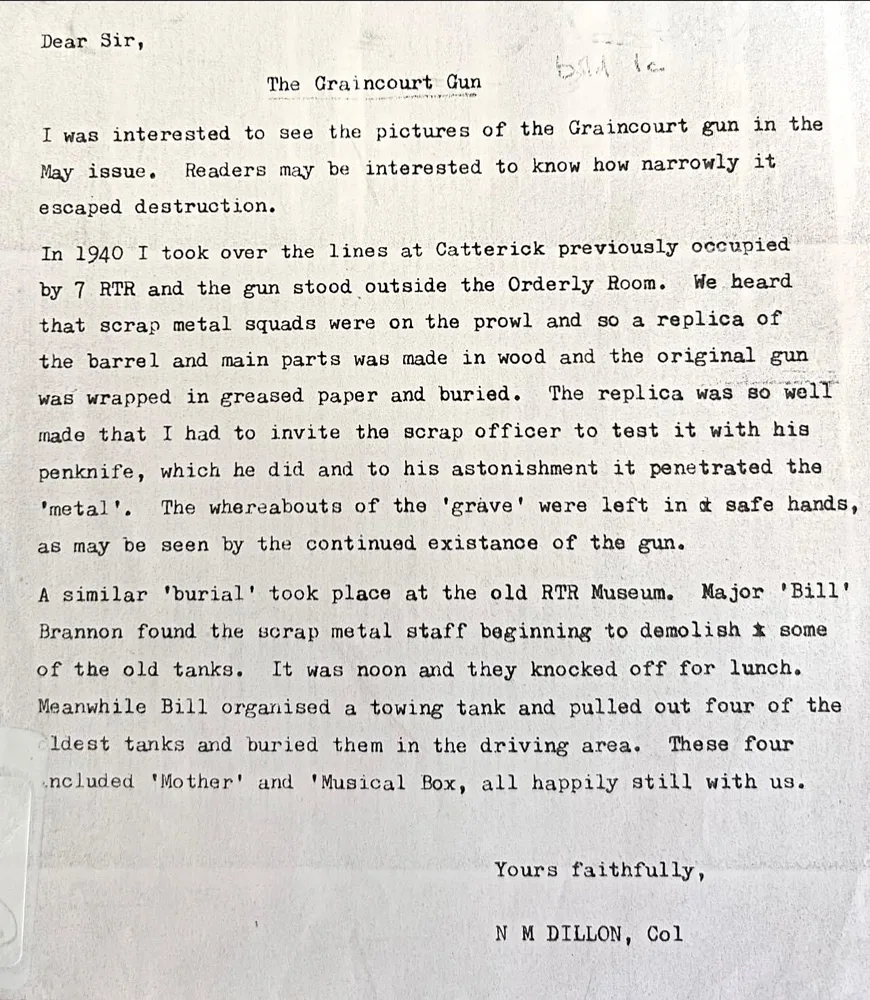
While researching in The Tank Museum archives, we (re)discov-ered an account written by Lieutenant Colonel N M Dillon.
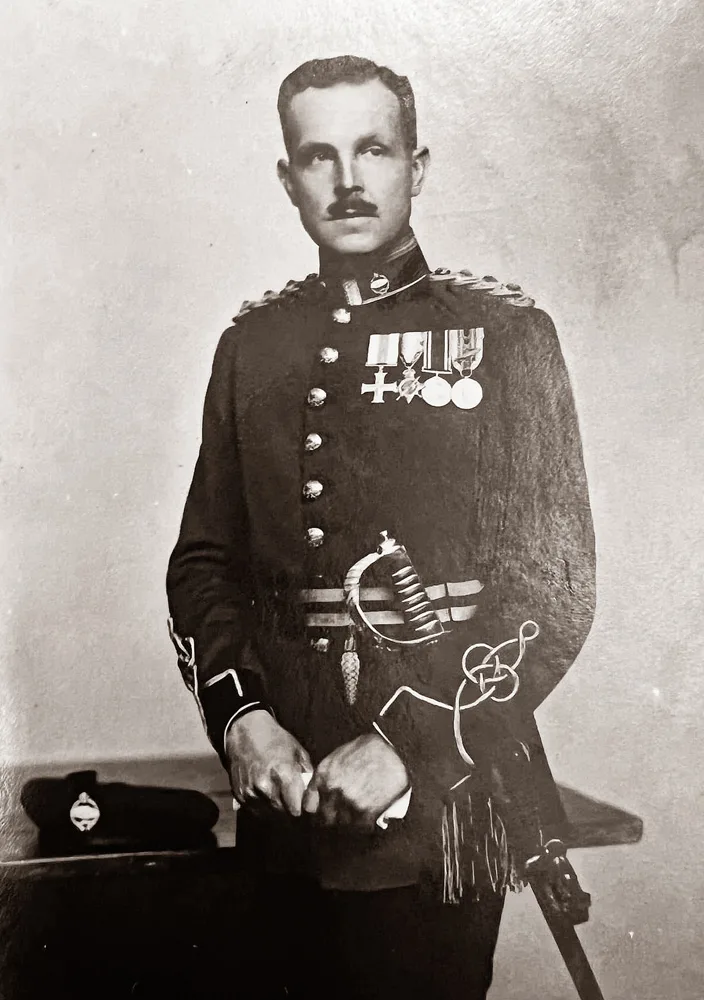
Dillon described Major A C ‘Bill’ Brannon discovering scrap workers beginning to dismantle some of Bovington’s old tanks.
According to Dillon, when the workers stopped for lunch, Brannon organised a towing tank, pulled four of the oldest vehicles away and buried them in the driving area.
Dillon specifically named two of them: Mother and Musical Box.
The account does not prove that Mother remains underground today. It was written after the event, and history demands that evidence is treated carefully.
But Dillon had served at Bovington around the relevant period and knew Brannon, who was himself closely associated with the preservation of historic tanks. And there was another thread to follow, too. When Major-General Nigel Duncan returned to Bovington after the war to help rebuild the museum collection, he later recalled being told that ‘some of the old exhibits had been buried’, although their exact location was no longer known.
None of this proves Mother is buried. But it was enough to convince us that the question deserved a serious investigation.
Operation Mother
Operation Mother was created for one purpose: to determine what actually happened to Mother.
Not to prove that she is buried nor to disprove that she was scrapped. Simply to follow the evidence wherever it leads.
Our research has taken us through archives, old photographs, maps, military records, aerial photography and private collections. We have spoken to archaeologists, historians, former soldiers, authors, museum staff and families with connections to Bovington. And inevitably, the investigation has become much bigger than one tank.
Bovington is internationally famous among armour enthusiasts, but it is easy to forget how much history once existed beyond the walls of today’s museum.
First World War tanks were moved around the county, used for training and demonstrations, retained as memorials or adapted during the Second World War.
Every old photograph potentially tells us something. A tank sitting beside a road might seem unremarkable in somebody’s grandfather’s photograph album. To us it could identify a vehicle, establish where it was positioned and show that it survived several years later than previously thought. The landscape itself is part of the evidence.
Searching the Dorset heath
Eventually we reached the point where documents could tell us only so much. If Dillon’s account was accurate and tanks had been buried somewhere in Bovington’s driving area, could modern technology find them without needing to dig up huge areas of protected Dorset heathland?
The intention from the beginning has been to search non-intrusively. Working with professional specialists, we have investigated technologies including drone-mounted magnetometry, ground-penetrating radar and other remote-sensing methods capable of identifying unusual features beneath the ground.
During 2026, working with Cotswold Archaeology, we completed the survey of our first designated search area at Bovington.
Standing there watching modern equipment search for a machine created more than a century ago was slightly surreal.
But Bovington’s training area is enormous, and this was only the beginning. We now want to expand the search considerably.
The search in Dorset’s cupboards
There is another search taking place which requires no drones, archaeology or specialist equipment. It might simply require somebody opening an old cupboard. We are looking for photographs of First World War tanks anywhere in Dorset, particularly around Bovington, Wool, Lulworth, Wareham and the surrounding villages.
They do not have to show Mother. In fact, the tank does not even need to be the main subject.
An old family photograph showing a tank in the background, a soldier posing beside a vehicle or an apparently ordinary view of Bovington or Lulworth could provide a date or location that connects two pieces of evidence.
We are also interested in postcards, letters, diaries and family stories. Memory must be treated cautiously after more than 80 years, but local memories can tell researchers where to look next.
And please do not assume that because a photograph has been seen by your family or local history society, historians must already know about it. Very often, we don’t!
Why Mother matters
People occasionally ask why anyone would go to all this trouble for an old rusty tank which may not even exist any more.
For me, the answer has changed as the project has developed. Initially, I simply wanted to solve a mystery.
The first tank crews went to war in machines which were hot, deafening, mechanically unreliable and extraordinarily dangerous. They climbed into a completely new form of fighting vehicle without generations of experience behind them to tell them how it should be done.
As a tank soldier, I can relate to them in a way I could not when I used to walk past the First World War section of the museum.
They went first, and Mother represents the beginning of that story. If Dillon was right, there is something rather wonderful about Bill Brannon recognising what was about to be lost in 1940 and, with little time available, deciding simply to hide it.
Perhaps one day we will prove that happened … and perhaps we will prove that it did not. Either result would solve a historical mystery which has persisted at Bovington for generations.
But imagine, just for a moment, that somewhere beneath the Dorset heath Mother really is still there. After more than 80 years underground, and more than a century after helping to change warfare forever, one of the most important vehicles in British engineering history could have spent all that time just a few miles from the people reading this article. And the clue which helps us find her might not be underground at all.
It might be sitting in a Dorset family photograph album.
Can you help?
Operation Mother would like to hear from anyone who has old photographs, postcards, letters, diaries, documents or family memories relating to First World War tanks in Dorset, particularly around Bovington, Wool, Lulworth and the surrounding area. We are especially interested in previously unpublished photographs.
Even if you do not know which tank appears in an image, or the tank is merely visible in the background, please get in touch:
[email protected]
Please don’t throw anything away because you think it isn’t important – let us take a look!
Operation Mother on Facebook