

Blackbirds may seem among the most familiar of garden birds, but winter brings visitors from hundreds of miles away – there is more to their seasonal comings and goings than meets the eye
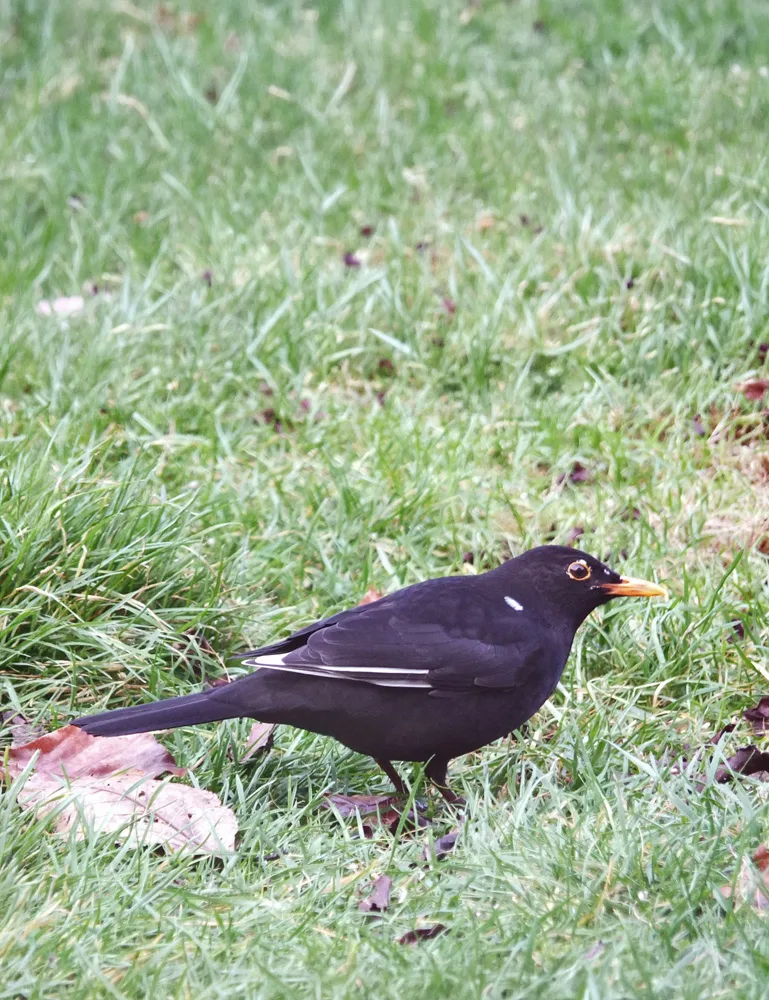
For six years, a blackbird with a scattering of white feathers on his wings, neck, and head would appear in our garden. We called him White Wing. I know, it wasn’t the most imaginative of names, but at least it was accurate.
He would arrive in November, as the weather turned cold. It became a competitive sport to be the first to spot him scratching around under the bird feeder or throwing around the windfalls under the apple tree. The person who didn’t spot him first would have to do the washing up that night. For the record, it was always me. Then, come spring, just as suddenly, he would disappear.
Until he first arrived, I’d always assumed the four or five blackbirds in our garden in winter were the same ones we saw year-round. But it turns out that blackbirds have more complicated lives than you’d imagine. For a start, they don’t always stay put.
Distant grand-chicks
Some do remain in their breeding territories, but Britain also gets an influx of blackbirds from further afield. Birds from Sweden, Norway and Finland have all been recorded wintering here.
Come autumn, the RSPB says ‘huge numbers’ of blackbirds arrive from northern Europe. How huge? That’s harder to say. The British Trust for Ornithology’s Winter Thrush Survey estimated around 11 million blackbirds spend the winter in the UK, but that figure includes both our resident birds and the winter visitors, so it doesn’t tell us how many arrive from elsewhere.
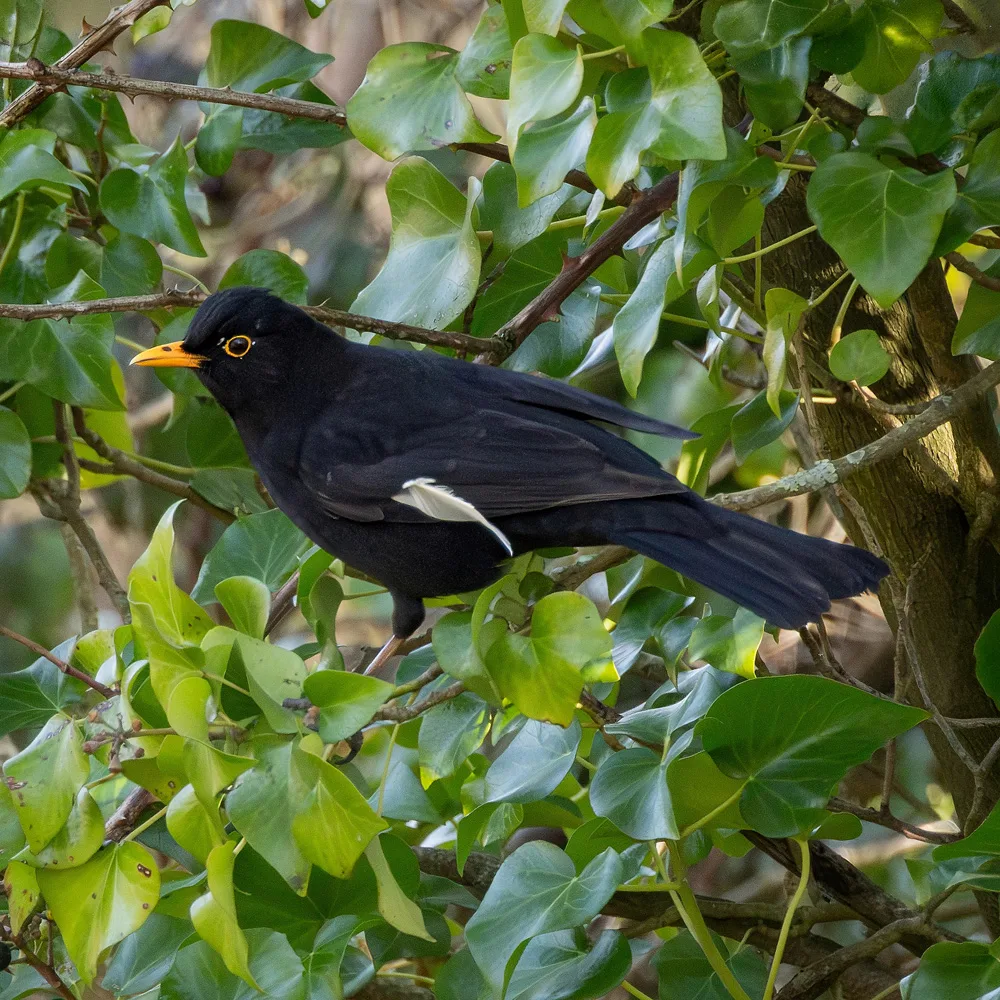
I’d heard you could tell the migrants by the colour of their bills, but apparently it’s not that simple. Bill colour changes with the season and also varies between individual birds. Scientists can distinguish different populations using wing measurements and ringing records. But it’s quite tricky, when standing at your kitchen window, to pick out a Finnish blackbird hopping across the lawn.
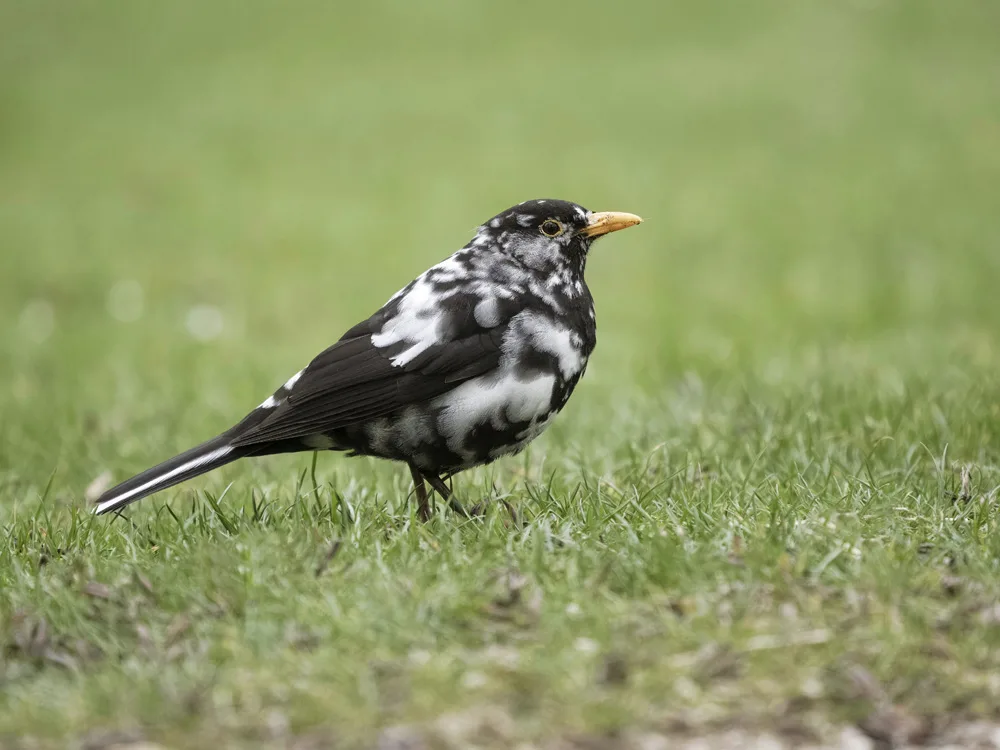
I might never know where White Wing came from, but I still miss him. Since he stopped coming, I have seen other blackbirds with white feathers and I also wonder if they might be related. Leucism, which is what most commonly causes the white patches in a bird’s plumage, is sometimes inherited. Obviously, there’s no way of knowing, but it’s nice to imagine they could be White Wing’s distant grand-chicks.
So, next time you see blackbirds squabbling over the last of the windfalls, take a closer look. Some may have travelled hundreds of miles to be in your garden.
And come spring, some will disappear again, just as White Wing did.
By Jane Adams
Independent Dorset journalism matters.
Dorset Life is free to read, and always will be. If you value the stories we tell, the questions we ask and the communities we give a voice to, you can help us do more of it.
Support Dorset Life →