
A bag of dirty underwear, farmer Nigel Friend explaining how six hours could undo 28 years of environmental work, and the Dorset Insider wondering why the council is working on yet another plan about a plan.
October’s Dorset Life Podcast has plenty to get its teeth into, as Jenny Devitt talks to two people with rather different reasons to be frustrated.
Six hours that could undo 28 years of work
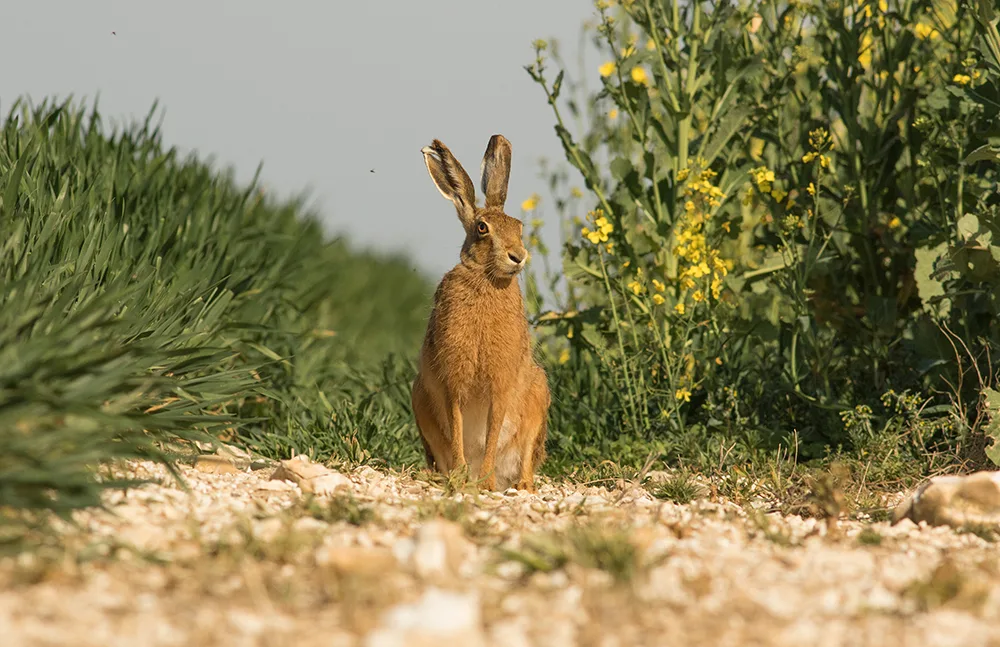
On 22nd September, the latest round of the Sustainable Farming Incentive (SFI) opened at 10am. Less than six hours later, it was closed. Cranborne Chase farmer Nigel Friend was among those who missed out. He was bringing rams home from Wales rather than sitting at a computer waiting for applications to open.
For Nigel, this is about far more than a missed payment. His farm has spent 28 years developing environmental measures, including restored downland, field margins, hedgerow management and food for wild birds. Around 20 per cent of his land is currently managed under SFI agreements, bringing in approximately £45,000 a year.
With those agreements expiring and no replacement secured, he may have to return some of that land to production simply to keep the business viable.
‘We’re not a charity. At the end of the day, we have to make a living.’
Nigel explains why he believes the handling of SFI has damaged farmers’ trust in Defra, what could have been done differently and why the consequences may extend well beyond individual farm businesses.
The things people donate to charity shops
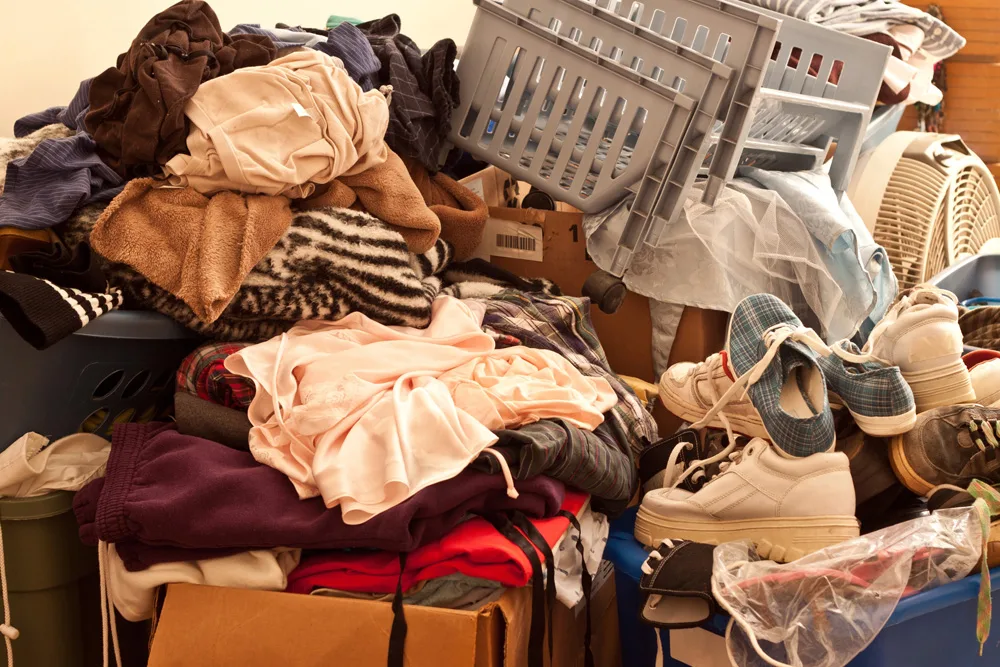
At Sturminster Newton’s Emporium, Cheryl Baston has seen just about everything come through the door, including a bag containing dirty underwear, medication … and something even worse. There was also a deep-fat fryer complete with its previous contents.
But behind the entertaining horror stories is a serious problem. Charity shops are increasingly left to sort and dispose of items they cannot possibly sell, at considerable cost to the organisations and volunteers trying to do some good.
Cheryl explains how the Emporium has grown from a little community shop into a thriving local hub, why she desperately needs more volunteers and how her team works to keep usable items out of landfill.
Her message to donors is straightforward:
‘Please do not overwhelm charity shops with stuff that you do not think is resellable or is in good condition.’
And there’s a lovely insight into the volunteers who make it all work, including Margaret Anne, whose eye for valuable antiques has proved invaluable.
A plan about a plan
Our anonymous Dorset Insider is experiencing a familiar sensation as Dorset Council begins work on its latest Local Plan.
With adoption not expected until 2029, the Insider wonders how much more consultation and policy revision the county can take while existing problems with roads, transport and infrastructure remain unresolved.
There’s particular frustration at the apparent absence of farming from the economic priorities under consideration, and a plea for some practical improvements that don’t have to wait for another planning document.
And the Grumbler has a point about smartphones
The Dorset Grumbler is tired of Facebook posts suggesting old people have been suddenly ambushed by modern technology.
The first iPhone appeared in 2007. Someone who is 75 today was 56 when it arrived. The Grumbler argues that while genuine accessibility problems deserve proper solutions, being older doesn’t automatically mean being incapable of learning something new.
And finally, Laura’s editor’s letter considers why she has begun favouring slightly wonky village hall posters and imperfect real photographs over suspiciously polished AI-generated publicity. Her conclusion?
‘Using AI isn’t the problem. Letting it make all the interesting decisions is.’
This episode is based on stories from the October 2026 issue of Dorset Life, available to read freely online. Farming, community life, planning frustrations and the occasional deeply unfortunate charity shop donation – all part of Dorset life.
Independent Dorset journalism matters.
Dorset Life is free to read, and always will be. If you value the stories we tell, the questions we ask and the communities we give a voice to, you can help us do more of it.
Support Dorset Life →