With salmonella linked to imported eggs, Dorset NFU chairman Tim Gelfs asks why British producers face rigorous standards while imports appear to play by different rules
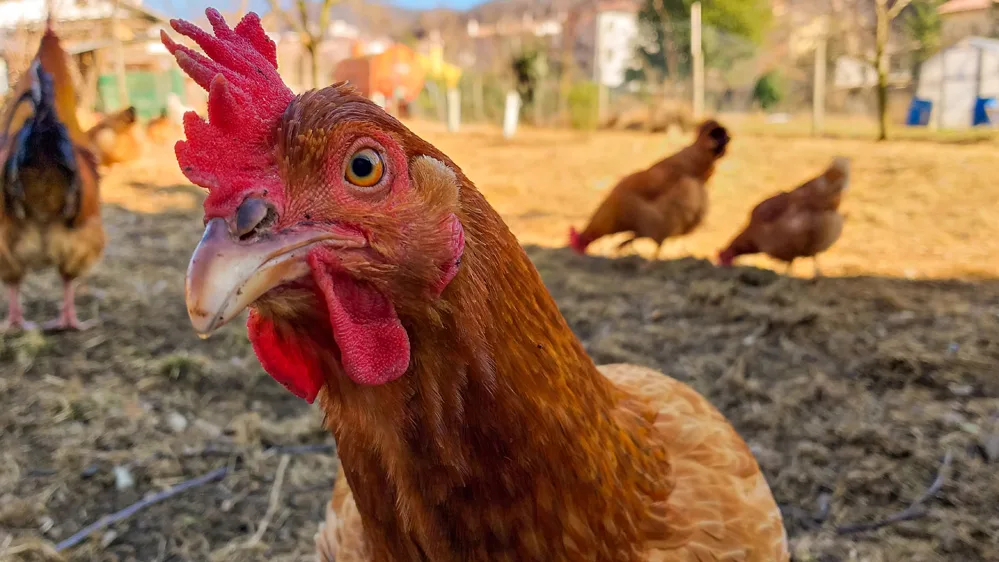
Well, a big thank you to the Food Standards Agency (FSA) this month for not only letting the entire UK poultry industry down but, more importantly, completely failing the consumer. August brought the grim news that almost 500 people have been infected with salmonella across three related outbreaks, with two deaths associated with them. The leading suspect? Imported eggs.
They report this as if it has just happened, as if the cases are current, but we know this has been going on for years.
The FSA knows that eggs have been coming into this country with a higher safety risk than UK-produced eggs. What have they done about it? Not a lot, is the short answer! It is a good demonstration of our two-tier system.
If salmonella is detected on a UK farm, those eggs are immediately withdrawn from the market, go into controlled markets where the eggs are heat treated, and the birds are culled.
So what has happened with the imported eggs? From the outside, it is difficult to see what meaningful action has followed. It looks like the country in question has got a stiff ‘must try harder’ letter!
Surely the sensible thing to do is to ban these eggs until the country in question can prove their safety??
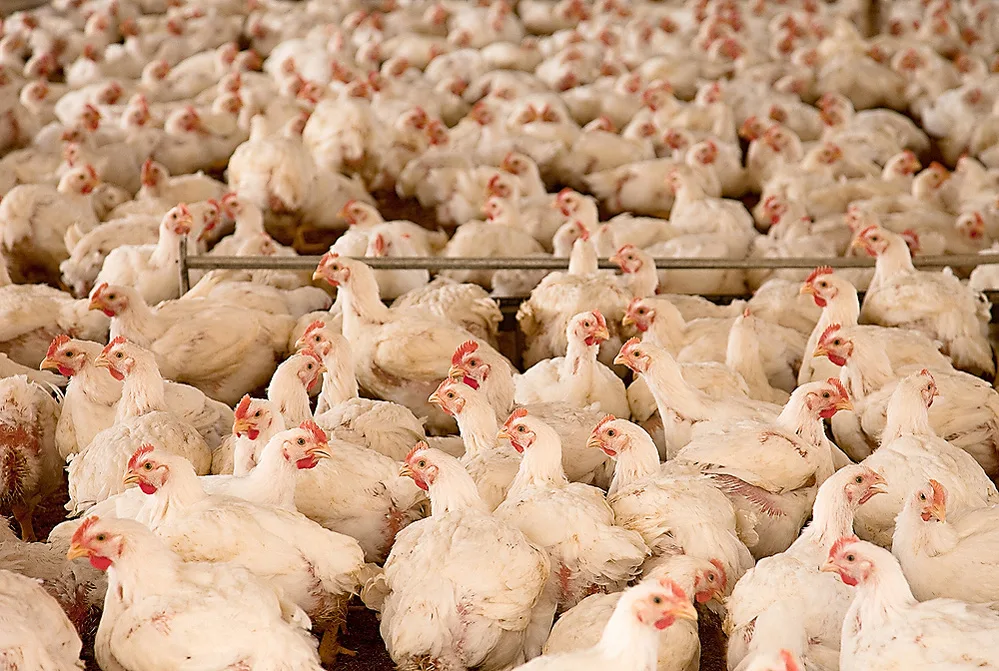
Tarred with the same brush?
Although most responsible reporting is focusing on the fact that the eggs in question are imported, some of the headlines like “Salmonella in Eggs” are sending the wrong message. Even the Environmental Health Department (EHD) has released a statement saying that ‘eggs should be completely cooked for the vulnerable’ – with no caveat of ‘imported eggs’!
I listened to one report on the radio, where a spokesperson from the EHD suggesting that when eating out you should ask where the eggs are from… Now, I am absolutely up for people asking that question to support British eggs – but not on safety grounds.
That’s their job!
What they’re actually saying is, ‘Sweetie, we are completely underfunded, so could you just do a few final checks when eating out? Thanks!’
It’s simply not acceptable how government departments are handling food products imported into this country: quite rightly having high welfare and safety standards for us but dropping or ignoring the bar when it comes to imported food.
Take the eggs as an example – most of these eggs are coming from cage units that were banned here almost 15 years ago. The Great British consumer said it doesn’t want these eggs … and yet they keep coming through the back door called catering!
The UK egg industry has been a real success over the last 20 years, providing more free-range eggs every year for a growing market, investing millions in infrastructure. Egg consumption is going up, as they are an affordable source of energy and protein. What we don’t need is an irresponsible department jeopardising it by not doing its job properly.
Bring back Edwina
So why are British eggs so safe? Those of us with greyer hair can remember the fateful day in 1988 when Edwina Currie stood up in parliament and declared that British eggs carried a high risk’ of salmonella – thus decimating the egg industry and putting many poultry farmers out of business.
Was she right? Probably!
You could argue there was a better way of doing it, but nevertheless the message was loud and clear. Maybe we need her back to sort out the imported eggs?
Since then, the British egg industry has got its act together, with vaccination and rigorous testing throughout a flock’s life almost eradicating Salmonella Enteritidis from our national flock. The result is a safety system consumers can have considerable confidence in. The message is clear: if you want reassurance, look for the British Lion or Laid in Britain mark!