

Higher Hyde Heath near Wareham is a special place for wildlife, with lowland heath and woodland that support a wide variety of species. While heathland is often associated with dry, open landscapes, some of the nature reserve’s most important habitats are its wetter areas, where shallow pools, damp vegetation and seasonally flooded ground create ideal conditions for a range of insects, birds and amphibians. Among the most remarkable of these residents is the large marsh grasshopper (Stethophyma grossum), Britain’s largest native grasshopper.
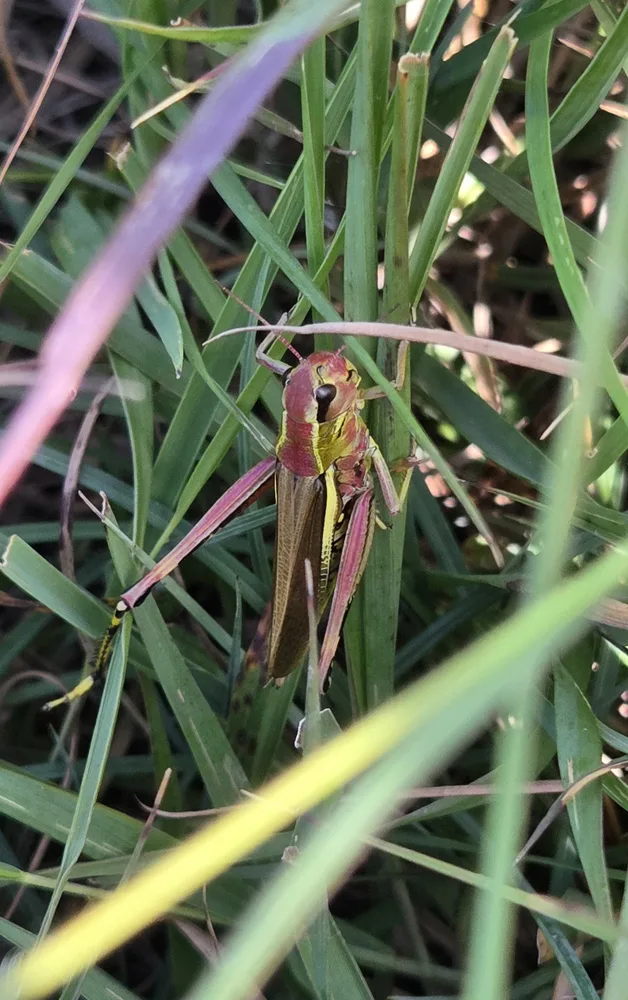
The large marsh grasshopper is an impressive insect. Females can reach up to 3.6 cm in length and are instantly recognisable by their olive-green colouring and striking yellow, black and red markings on its legs. Males are smaller and often brighter in colour. Occasionally, individuals display an unusual purple colouration, a rare form that always causes excitement among surveyors. This year, one of these distinctive purple individuals was recorded at Higher Hyde Heath, providing a welcome focal point during the annual survey season.
In search of damp
Unlike many grasshopper species, the large marsh grasshopper is strongly associated with wet habitats. It depends on marshy grasslands, bogs and other wetland habitats where the ground remains damp throughout much of the year. The species lays its eggs in the bases of grass stems in wet areas and needs tall, tussocky vegetation to provide shelter and suitable feeding conditions. Because of these specific requirements, it is particularly vulnerable to habitat loss, drainage and changes in water levels. As a result, it is considered a near-threatened species in the UK.
Each year, Dorset Wildlife Trust surveys the population at Higher Hyde Heath during late summer, when adult grasshoppers are most active and easiest to identify. These surveys provide valuable information about population trends and help conservationists understand how the species is responding to changing environmental conditions.
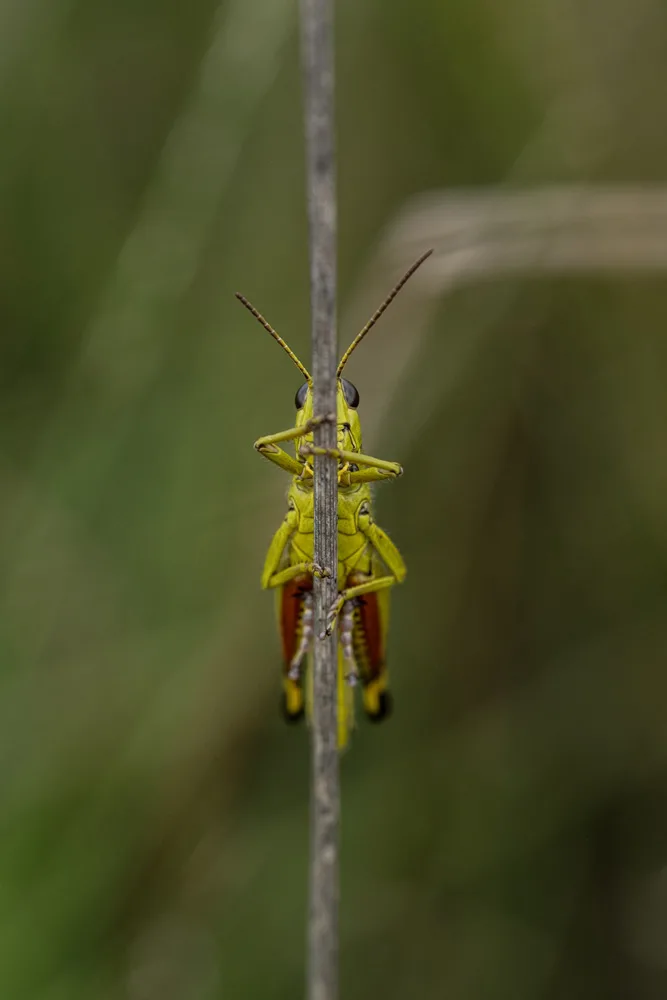
This year, surveyors recorded noticeably fewer large marsh grasshoppers than in the previous two years. One possible explanation is the prolonged hot weather this summer, which may have caused parts of the marsh habitat to dry out. Reduced soil moisture can affect breeding success and limit the availability of suitable habitat for both adults and developing eggs.
While the findings are a reminder of the challenges facing wildlife, they also demonstrate why long-term monitoring is so important. Regular surveys allow conservationists to detect changes early, assess the effectiveness of habitat management and make informed decisions about future conservation work. By carefully monitoring species such as the large marsh grasshopper and maintaining the wet, diverse habitats they rely upon, Higher Hyde Heath can continue to provide a haven for this remarkable insect and many other species that depend on healthy wetlands.
dorsetwildlifetrust.com