

There comes a point every autumn when I look at the garden and feel an overwhelming urge to tidy it.
Leaves are gathering in corners, perennials are collapsing sadly and inelegantly over their neighbours and the lawn seems to acquire another covering of debris approximately five minutes after I have cleared it. The temptation is to reach for the secateurs, rake and garden waste bin and restore some order. But we must try to resist! Or at least not be too efficient.
Our gardens provide an enormous amount of winter shelter and food for wildlife, and much of it is contained in precisely the things we’re inclined to clear away.
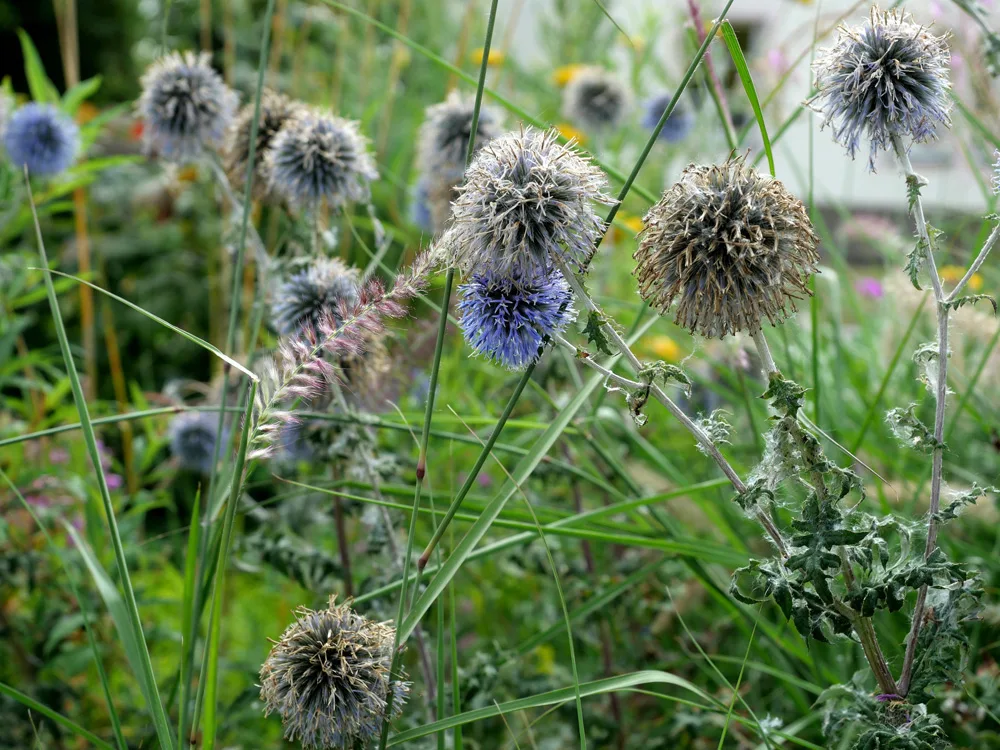
Take seed heads: echinacea, teasel, rudbeckia and sunflowers may have finished flowering, but their seeds provide food for birds. Hollow stems offer places for insects to overwinter, while the jumble of vegetation at ground level gives shelter to all manner of small creatures. Unless something is diseased or particularly offensive to look at, I increasingly leave the proper clear-up until spring.
Leaves are another matter … but only slightly. They shouldn’t be left in a thick, wet blanket on the lawn, where they can smother the grass, and it’s sensible to clear paths before they become slippery. Elsewhere, though, they’re remarkably useful.
Rake them from the lawn onto your borders, where they’ll provide shelter, act as a mulch and gradually break down. Or collect them to make leaf mould. A simple wire cage in an inconspicuous corner will do; pile the leaves in, forget about them and eventually you’ll have wonderful dark, crumbly material for improving the soil. It is gardening at its most pleasing: very little effort followed by taking all the credit!
Planning ahead
There are ‘proper’ gardening jobs to be getting on with, too. Move or divide established perennials while the soil retains some warmth, plant spring bulbs and get trees and shrubs into the ground once the soil is reliably moist. Daffodils, crocuses and alliums can all go in now; I tend to leave tulips until November, when the cooler soil reduces the risk of disease.
Don’t forget next year’s pollinators, either. Crocuses and snowdrops provide valuable early flowers, while native primroses, hellebores and winter-flowering heathers can help bridge the lean months. If you have room for a shrub, mahonia provides winter flowers when relatively little else is available.
Lawns can have their final few cuts as growth slows, but raise the mower blades and don’t scalp them. And if you’ve allowed an area to grow longer this year, consider leaving part of it alone through winter rather than cutting everything back.
October is also a good time to think about hedgehogs. A pile of logs and leaves tucked somewhere quiet is far more useful than another ornamental hedgehog house placed in the middle of a spotless garden. Always check piles carefully before moving or burning anything, and make sure wildlife can actually get into your garden – a small gap beneath a fence can connect several neighbouring gardens into one useful habitat.
After such an extraordinary summer, there is something rather comforting about autumn. The frantic watering has stopped, the garden is slowing down and we can begin putting things to bed.
Just remember that we’re not the only ones living in it.
So tidy the paths, clear anything diseased, put the tools away … and then make yourself a cup of tea, and leave that untidy corner exactly as it is.
by MAGGIE FIELDS