

Just a few miles from Blandford Forum, in the village of Tarrant Gunville, a tale of vampiric proportions seems apt as we enter the darker side of the year with
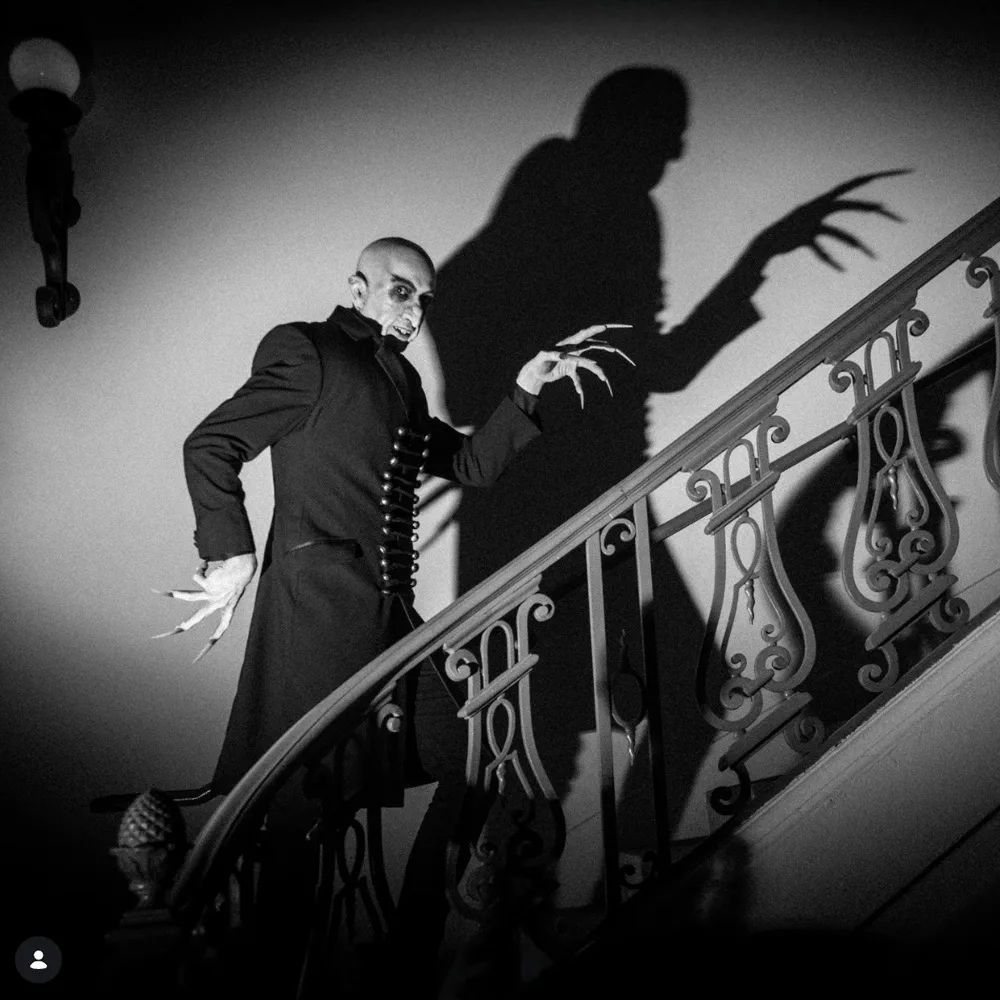
Just a few miles from Blandford Forum, in the village of Tarrant Gunville, a tale of vampiric proportions seems apt as we enter the darker side of the year with Halloween on the horizon.
In 1897, historian John Ingram wrote in The Haunted Homes and Family Traditions of Great Britain about the curious belief that a vampire haunted the Dorset village.
Eastbury House was the grand project of Lord Melcombe, who took the original building of 1718 by Bubb Dodington and added his flamboyant touch to produce a house and grounds of ‘great magnificence’. Completed in 1738, it had cost £140,000 – around £29 million in today’s money.
Ingram noted that in 1763, ‘a change came over the scene, and Eastbury House was destroyed even more rapidly than it had been created; all the rooms were dismantled, and the splendid furniture scattered to the winds. Twelve years later the ruin was consummated, the house being pulled down, and the beautiful and costly materials disposed of.’ According to the story recorded by Ingram, a man named William Doggett was responsible.
He’ll never know …
Lord Melcombe had lent a considerable sum of money to Doggett, his steward, who in turn lent it to his brother. When his brother soon fell into financial difficulties again and could not repay him, Doggett was left owing Lord Melcombe. Believing his employer was staying permanently in Italy, he devised a plan: dismantle the house and sell its valuable materials, recovering the money and making a handsome profit.
The plan was working until Doggett was told that Lord Melcombe had alighted at Tarrant Gunville turning, from the London mail coach, and was heading towards the house. In a panic at what he had done, Doggett took his own life in the library, his blood said to have stained the marble floor.
According to local lore, Doggett was considered unworthy of burial in consecrated ground in Tarrant Gunville churchyard – and subsequently began appearing at night as a vampire…
One more gothic twist
Author Charles Harper described Doggett’s ghostly appearance in 1907: ‘Generally at the stroke of midnight, a coach with headless coachman and headless horses drives out and picks up Doggett, down the road.
‘If you see an old-world figure at such a time, stepping into that horrid conveyance, you will recognise him as Doggett by his knee-breeches, tied with yellow silk ribbon. The headless coachman asks “Where to, sir?” and the ghost says, “Home”; whereupon the horses are whipped up, and they drive back to the house. The shade of Doggett, entering, proceeds to the panelled room where he shot himself a century and a half ago – and shoots himself again!’
The story had one final, distinctly gothic twist.In 1845, when Tarrant Gunville church was demolished and rebuilt, Doggett’s body was supposedly exhumed. According to the legend, villagers were shocked to discover that it had barely decomposed and that his legs were tied together with yellow silk ribbon. Local lore also suggests that beneath Doggett’s top lip, there were two vampire teeth.
A wooden stake was driven through Doggett’s heart. And, according to local tradition, that was the end of Tarrant Gunville’s vampire. No further sightings were reported.