Tuesday 22nd September 2026 will be remembered as the Great DEFRA Lottery Day, in which about 10,000 farmers and growers missed out on being able to continue protecting and enhancing the environment.
We were told that on 22nd September the Sustainable Farming Incentive Window 2 would be open for applications through the DEFRA online service.
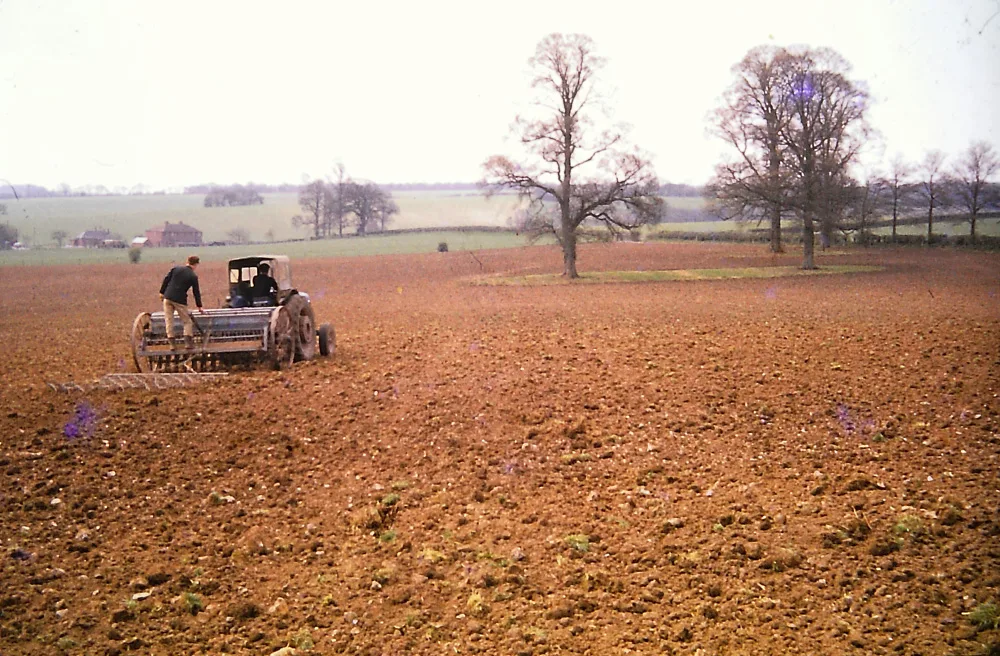
All images: James Cossins
What we did not know until the day was what time it was going to start … It actually opened at 10am and, just six hours later, at 3.48pm it was announced that the budget had been allocated and no further applications could be received.
It is believed that about a further 10,000 applications would have been submitted if the window had been kept open.
In our case, our participation in the scheme comes to an end in February 2027. We could have applied, but it was too late, and we are hoping that there will be another application process early next year.
This leaves us – along with all those who couldn’t apply – having to make decisions as to whether to put our businesses first over and above the environmental enhancement we have carried out over many years.
In our own SFI scheme we have many field margins, pollen and nectar mixes, reduced inputs on grassland to encourage wildflowers and many more options besides. We could put all this land back into food production by ploughing up these options if we are not going to get any SFI income. It is a tough decision many farmers and growers are going to have to make. And the government is going to have to give us some answers quickly so we can plan ahead and decide what is right for our businesses.
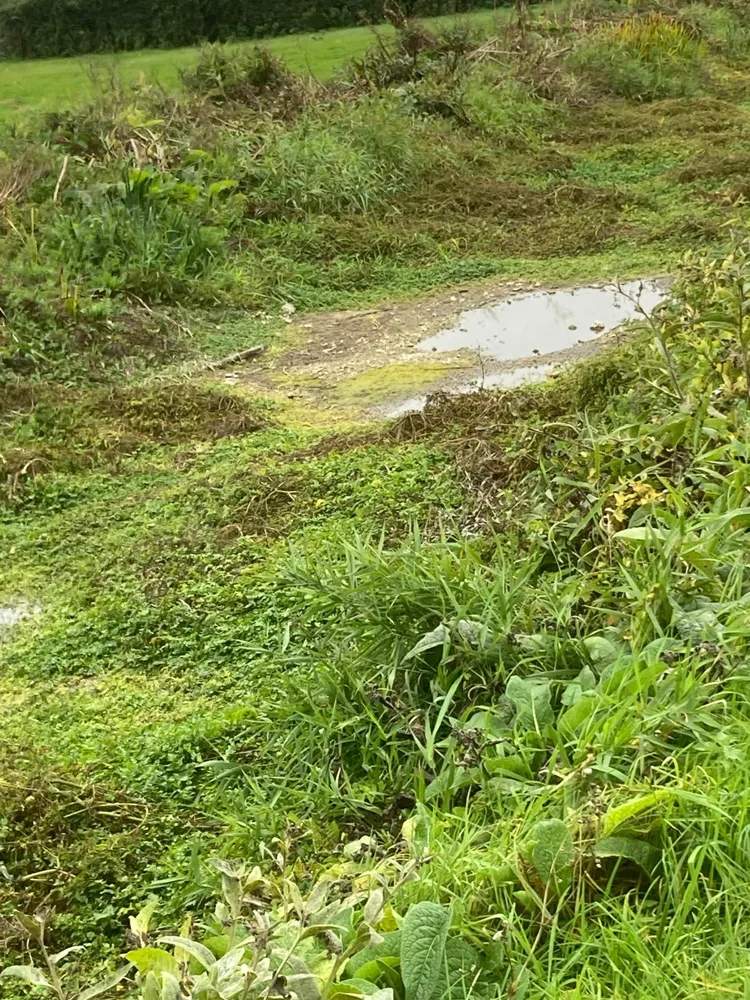
Bluetongue still
The prevalence of bluetongue has been high on the minds of cattle and sheep keepers, especially in the south and south west of England. The hot, dry summer has led to a rapid spread of this disease, which is caused by infected midges. There is no risk to human health, but in sheep especially the disease is more serious, potentially causing death in severe cases.
It is not always easy to detect, although blood tests can confirm the disease. Vaccination is the only way to control the disease. Many animals have now been vaccinated – once the vaccine became more widely available.
We vaccinated our milking cows and breeding cattle last year, and we have given them their annual top-up this year. So far, we have not identified any bluetongue in our cattle.
Global politics cost in Dorset
On the farm, this year’s harvest seems a distant memory, with the combine harvesters put away in early August. The maize harvest is also complete, also about a month earlier than normal.
We have sown our oilseeds and grass seeds, and have just started sowing our wheat and barley at the end of September.
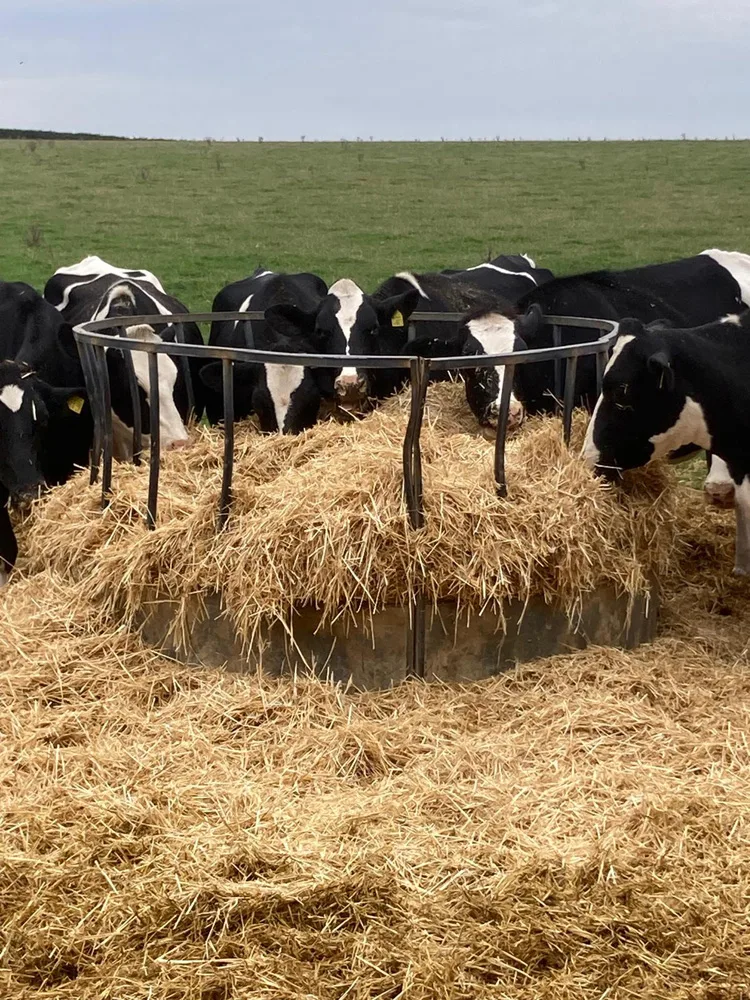
The land is still very dry, with only 40mm of rain in September. Our own River Tarrant is still dry, and will require a lot of rainfall to get it flowing again. Our cattle have been enjoying some autumn grazing as the fields have slowly greened up. I don’t think there will be enough grass for any late silage making, so we will have to make the forage we have stored keep us going through to next spring.
I know a lot of farmers are extremely worried about whether they will have enough to feed their animals throug the winter months.
Another concern is the price of fuel and fertilisers, with continued conflict in the Middle East leading to near-record fuel prices to run our tractors. Fertiliser prices for next year have followed the same route, with prices increasing. We have already bought a considerable amount of next year’s fertiliser, but of course it needs storing on the farm, and paying for it puts a real strain on cash flow.
Looking ahead
On a positive note, we went TB-free after our inconclusive cattle went clear on the most recent test. So, good news! Our next test will now be in six months, rather than six weeks.
We have made a decision to send the resolved inconclusives to the abattoir anyway, reducing the risk of us failing the next test. We are trying to reduce all the risks of having another TB breakdown.
Finally, I await with interest how the government responds to the complete shambles of the SFI 26 window, and whether farmers do begin to turn environmental land back into food-producing land.
Independent Dorset journalism matters.
Dorset Life is free to read, and always will be. If you value the stories we tell, the questions we ask and the communities we give a voice to, you can help us do more of it.
Support Dorset Life →