

Inland Dorset has the food, landscapes, heritage and market towns that increasingly visitors are looking for – and the county’s new tourist strategy seems to recognise their potential
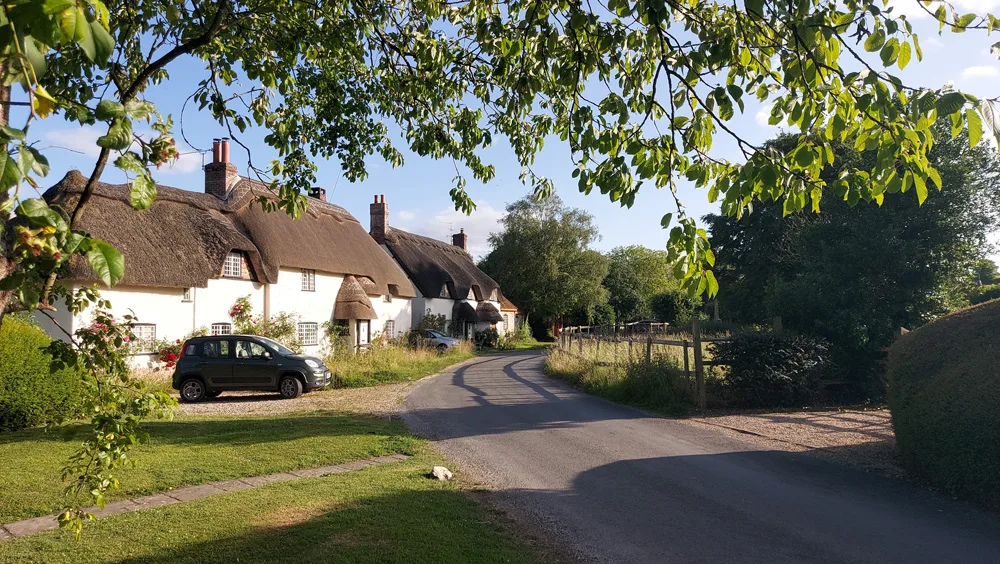
All images: Laura Hitchcock
Dorset has never had much trouble selling the sea.
The Jurassic Coast, Weymouth, Purbeck, Lyme Regis, the beaches, cliffs and harbours do most of the heavy lifting when visitors decide what ‘Dorset’ looks like. And quite reasonably so: the coast is one of the county’s great economic assets.
The more difficult question is what happens a few miles inland.
Visit Dorset’s new ten-year Destination Management Plan says it wants to do something about that. It promises to welcome visitors to ‘all parts of Dorset’, to encourage people to explore the north and west and, crucially, lists ‘growth in visitor numbers to North & West Dorset’ among its measures of success.
North Dorset itself gets a familiar description: its market towns are among the county’s Hidden Gems. But after decades of being called hidden gems, the question is when somebody intends to stop hiding them? It is not a simple matter of wounded rural pride. Visitors bring money with them. They fill cafés, pubs and B&Bs, buy from farm shops and galleries, visit museums and gardens and give small businesses a reason to stay open.
And this new plan has several ideas that should, on paper, suit inland Dorset very well.
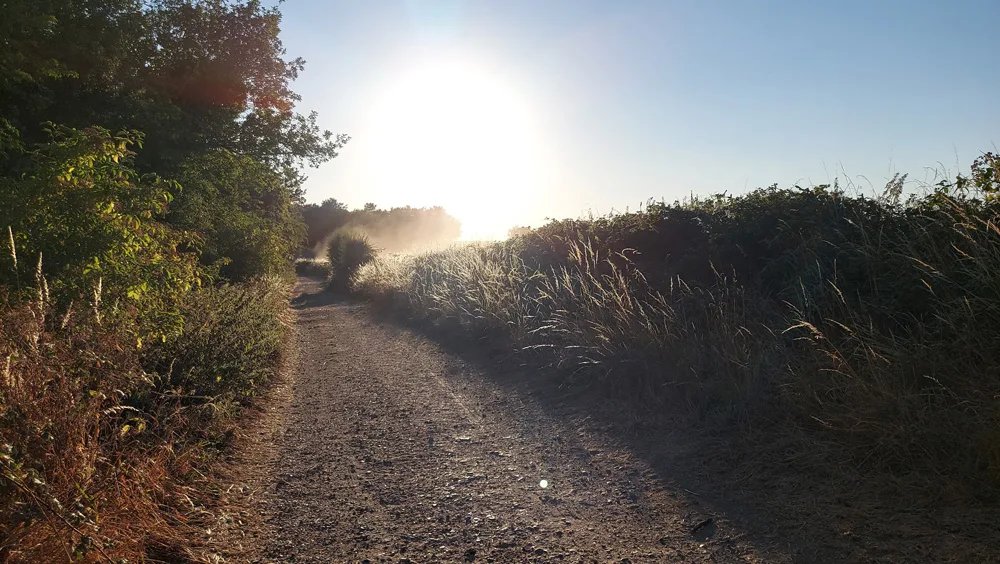
Where’s the mechanism?
The target visitor groups are people interested in nature, culture, walking, cycling, heritage, food and gardens. The strategy also aims to reduce Dorset’s dependence on July and August, when 36 per cent of domestic overnight trips currently take place. That creates an obvious opportunity for Dorset’s rural heartland. A February weekend built around food, landscape and a market town does not require a bucket and spade. Neither does a walking break on Cranborne Chase, a heritage weekend in Sherborne, a visit to a country house or museum, or a few days exploring rural Dorset’s villages, pubs and producers. And the plan clearly recognises that potential. What is less clear, at least for now, is how this is going to be achieved.
Dorset Life asked Visit Dorset what proportion of its current marketing promotes North, West and rural inland Dorset. No geographical breakdown was provided. A spokesperson said Visit Dorset ‘always try to balance coastal and rural marketing’ and that the new plan will help shape future activity,
There is a similar question over targets: the plan says visitor numbers in North and West Dorset ‘should be increased’, but there is no baseline against which that growth will be measured, nor an indication of what success would look like. It is understandable in a new strategy, but it also means that the success of one of the few specific promises to rural Dorset will be impossible to test.
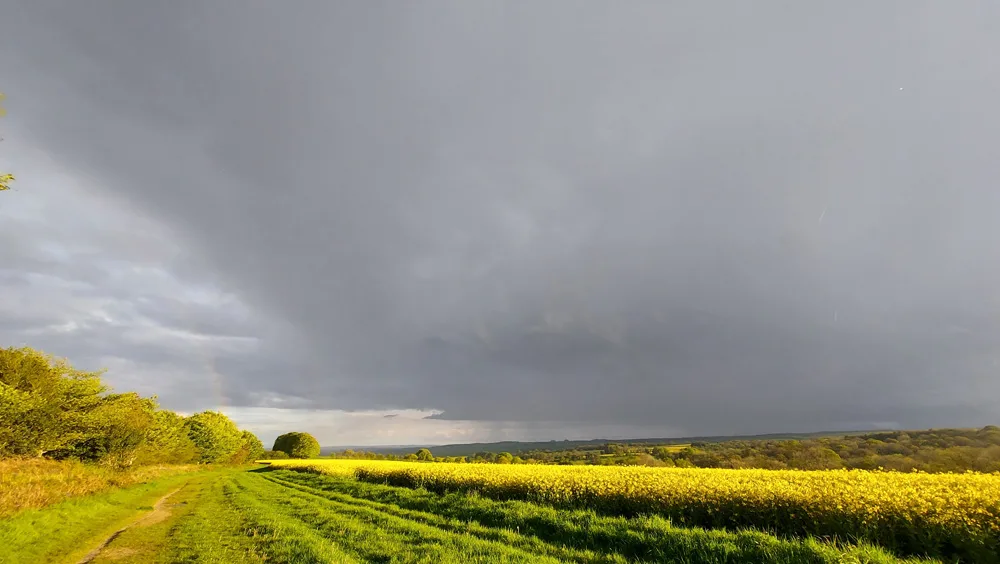
Where is the magic bus stop?
Who has a seat at the table also matters, and the the Local Visitor Economy Partnership (LVEP)advisory board does include some county-wide organisations. But there is no dedicated representative for North, West or rural Dorset. Visit Dorset says adding one has already been discussed, and that it is keen for the right person to come forward. When decisions do move from a glossy ten-year vision to a genuine action plan, sector representatives will speak up for accommodation, attractions or hospitality across Dorset.
What rural Dorset needs is for someone to speak for the particular problems of running a visitor business more than ten miles from a railway station, without any reliable bus service and far from the better-known tourism routes.
The plan itself admits that public transport is limited, particularly in North and West Dorset. Visit Dorset is realistic about what the LVEP can change directly: its role is likely to be lobbying and bringing organisations together, alongside smaller measures such as promoting cycle routes and Rights of Way.
Sadly, there is no magic rural bus network hidden in the document.
But Visit Dorset also makes a useful point about what ‘spreading’ tourism actually means. It is not necessarily about persuading someone on Weymouth beach to jump in the car and drive to Shaftesbury for the afternoon.
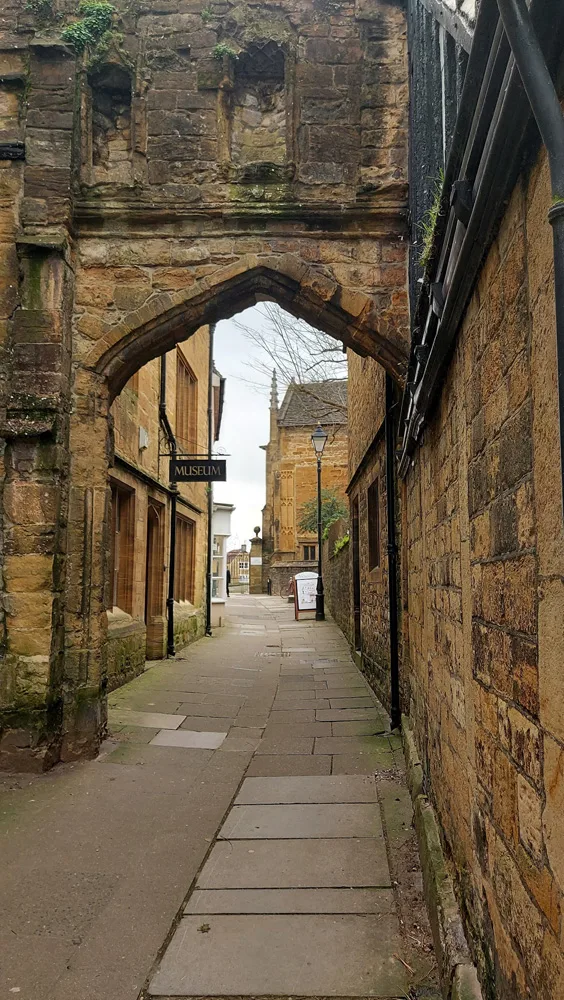
Not an overflow car park
A visitor might come to Dorset for the coast this year, discover something inland while researching the county and return next time specifically for a different part of Dorset.
New events, packages, joint promotion and visitor experiences can also create demand, rather than simply redistribute it. Rural Dorset does not need to become an overflow car park for the Jurassic Coast, it needs enough promotion for people to choose it in the first place.
Cllr Richard Biggs, Deputy Leader and Cabinet Member for Regeneration, Economic Growth and Strategic Assets, told Dorset Life that the benefits of tourism should be felt ‘right across the county, not just in our well-known coastal destinations’.
He said that a successful policy should mean ‘ensuring prosperity is shared more evenly across the county’, and wants the plan to unlock new opportunities inland through better connectivity, stronger links between businesses and ‘distinctive visitor experiences’.
For now, this is a plan with rather more promise for rural Dorset than the familiar coastal tourism brochure usually suggests. It recognises the imbalance. It names North and West Dorset. It acknowledges the transport problem, and has chosen growth markets that fit the inland county remarkably well.
What it does not yet have are the things that turn good intentions into something measurable: a baseline, a firm North and West target, settled rural representation or a detailed programme of projects. Those will come – or not – in the three-year action plan now being developed.
And that is where the ‘hidden gems’ might finally become more than a tired marketing slogan. If Dorset really wants tourism prosperity shared more evenly, the next stage has to show not simply that inland rural Dorset is lovely, but what is going to be done to help more people find it.