

I recently made the schoolboy error of lingering for too long in the fruit and veg aisle of our local Tesco, at the time of year when an English person might expect English supermarkets to be heaving with lovely English fruit and veg. Is it unfair to expect our major retailers to show some kind of loyalty to English growers?
Unfair – no.
Unrealistic? YES, it turns out.
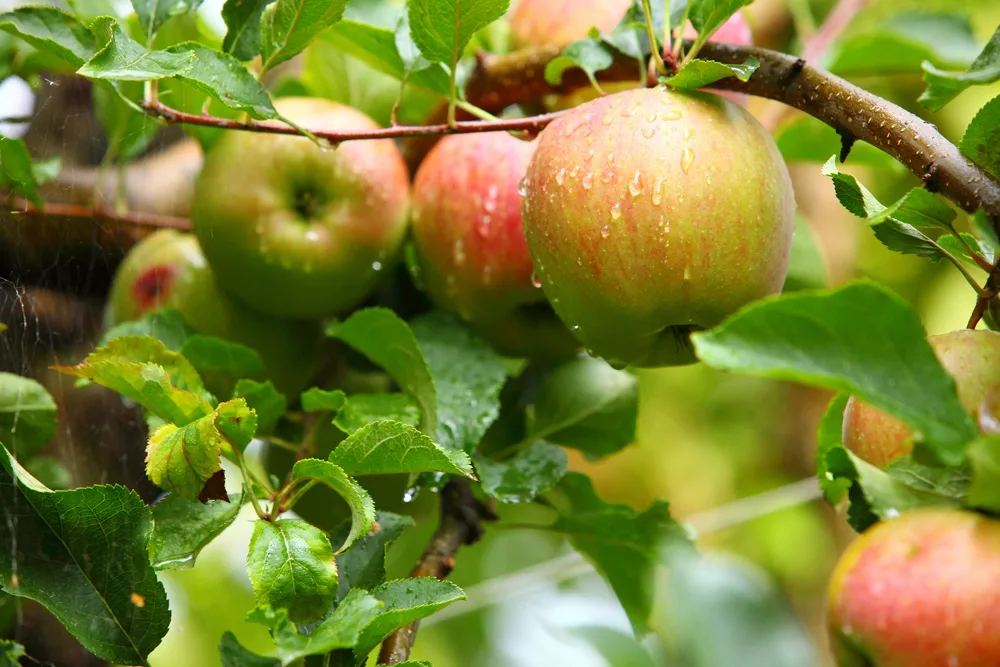
What a disgrace to find less than a quarter of the apple shelf space taken up by English apples – in September and October.
Why, oh why, does Tesco consider it acceptable to bring in apples from South Africa, Chile and New Zealand at all, let alone at this time of year, and to display very many more foreign ones than home-grown? Does the customer really prefer to buy food loaded with the environmental cost associated with such distances? Do they ever read the label of origin?
I cannot believe consumers are asking supermarkets for apples from the opposite side of the world at the same time that England is harvesting apples, in a climate more suited to apple growing than almost anywhere else in the world.
These foreign apples from the southern hemisphere have clearly been stored for many months and are not technically ‘fresh’. Why import them when we have truly fresh apples grown here?
If our own apple industry was properly supported by the retailers – who, without food to sell, would not have a business model at all – we would be able to provide far more of the apples required at home. What is more English than an apple?
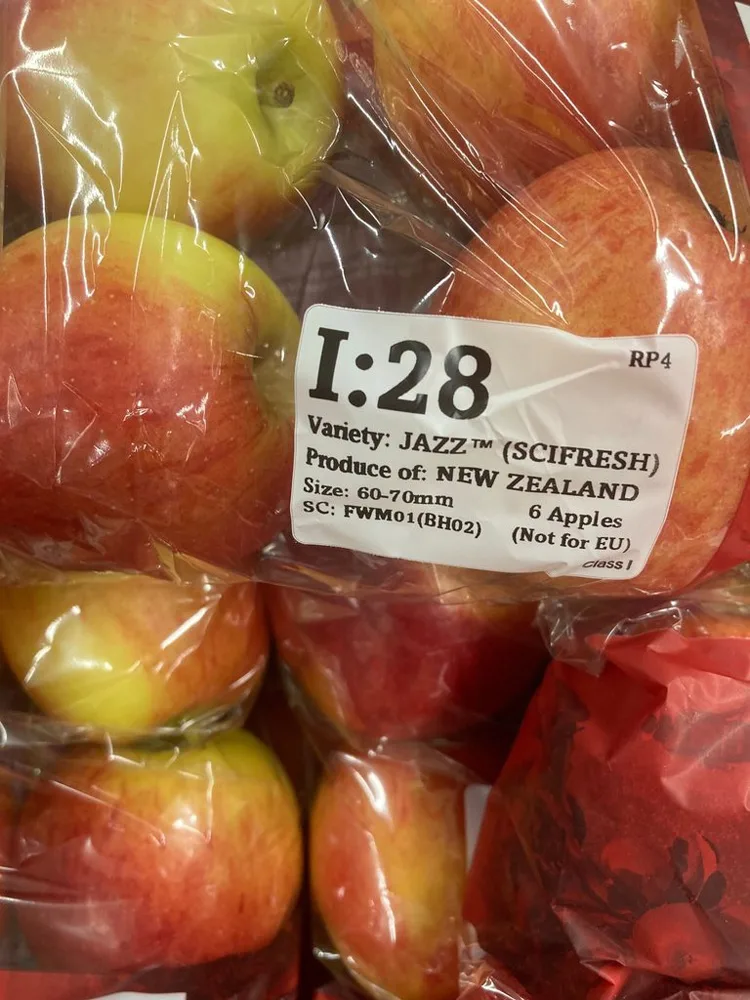
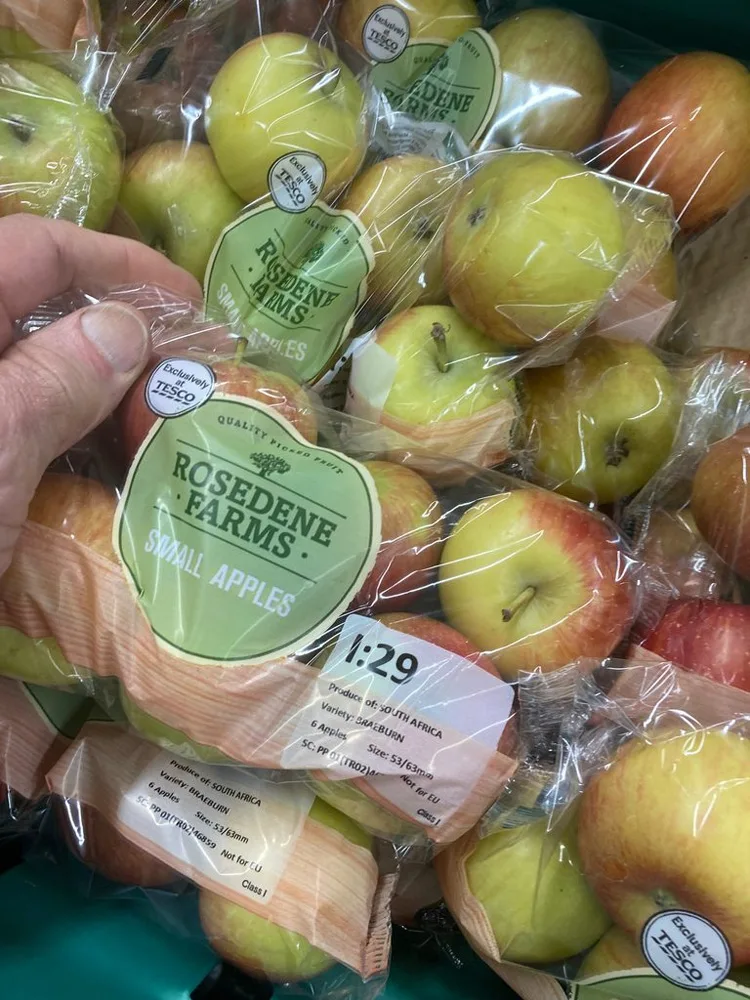
The fake farm brands
I fully accept that apples vary greatly in taste and texture, but English growers are capable of growing very diverse types, and the technology exists to store them in very good condition for many months. When my own have run out, I can buy English apples in shops right through to June and July every year – they must have been stored for at least ten months.
To add insult to injury, the supermarket is using one of its fake farm brands – Rosedene in this case, presumably to make it look more local and friendly – to promote apples from South Africa.
If Mr Tesco responds by saying that he ‘can’t source enough English apples to cover demand’, I would respectfully point out that it is exactly this kind of behaviour over dozens of years that has driven so many fruit and veg growers out of business. If it continues, the same will happen with other food products that can be grown here.
Sidenote – the reason I accentuate ‘Englishness’ specificaly is that agriculture policy in UK nations is devolved, and in all cases agricultural and horticultural policy differs from that applying in England, to the benefit of the producer in most cases.
Mushrooms from Poland and Cambridgeshire in identical packaging; pigmeat from who-knows-where in the world in identical packaging to pigmeat grown in England; the same with chicken and a host of other foods. Are we ever going to learn to value the importance of home-grown food? We had a food trade deficit of £21 billion in the first six months of this year.
When things get really bad, and we are down to our last three tins of beans and a bag of carrots – English farmers having long since given up, and climate change having rendered into desert all the countries we import food from – what will we do then?
But we still have a technically proficient and efficient food system in England, with farmers and growers at its root. There are allotment holders and gardeners who feed themselves almost exclusively on their own home-grown food all year, preserving and drying to extend storage periods.
One problem is that commercial food production in England is barely profitable since the EU’s Basic Payment Scheme was removed as part of Brexit. English farmers must compete with food from other countries, including our nearest neighbours, where that support still exists.
It is, and always was, a subsidy to enable growers to produce food at below the cost of production – it acted as a cushion to give growers the confidence to plant next year’s crop, especially if the previous year had been a bad one, due to weather or wars overseas upsetting the markets for fuels, fertiliser and basic internationally-traded foodstuffs.
Which is exactly where we currently find ourselves …
We are in uncharted territory. Farmers and growers are expected to compete with imported foods, often produced in ways which would be illegal here, and which are also usually subsidised.
Rant over.
All images George Hosford
Meanwhile, on the farm…
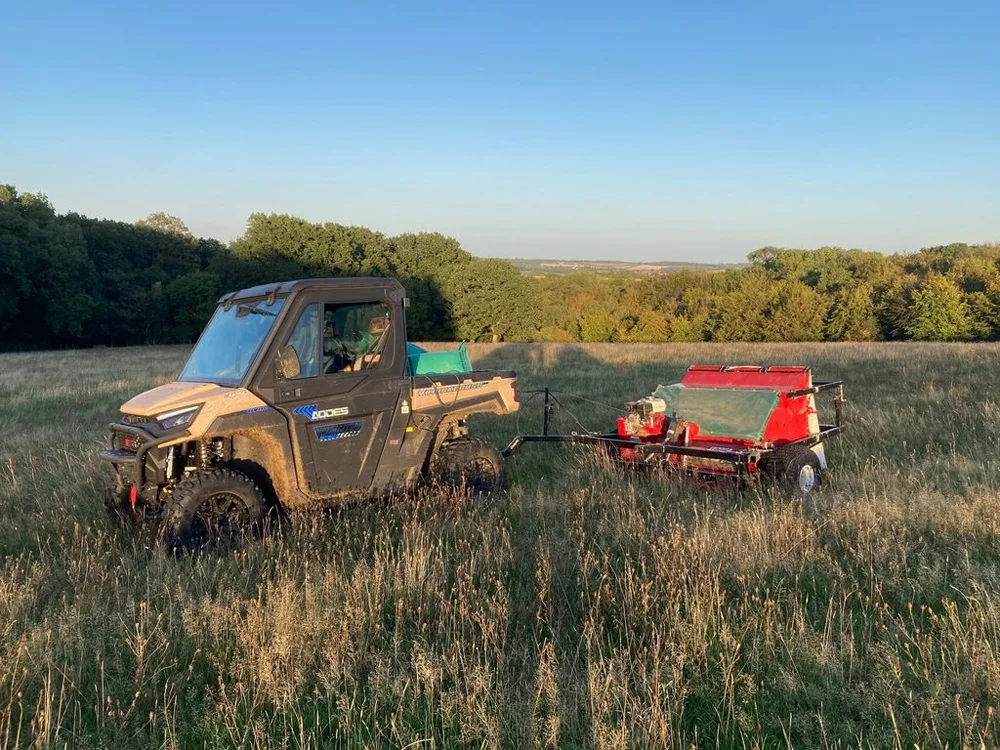
Away from the supermarket fruit aisles, September and October have offered rather more pleasurable distractions. This year we have been keen to harvest some of the wildflower seeds on the downland and were fortunate to hire the brush harvester belonging to our neighbouring cluster group. We now have several heaps of drying seeds, leaf and broken stem which need lots of sieving and bagging up to keep for sowing next year.
We hope to establish more wildflowers in various places on the farm, using the appropriate genetics possessed by these home-grown and long-established plants. It doesn’t take long to fill the box with seeds, stems and leaves, which need a good shaking and removal with a fork after a couple of turns of the field. Then we stuff the precious seed fraction into bags, take it back to the barn, spread it on the floor and turn it daily until it seems dry.
I just hope we have managed to capture a good variety of the many species growing here – we won’t really know for a year or more, as they are not all likely to germinate in the first year. The field itself was established in the same way back in 2010. It took a few years to become well established, but now has a wide selection of species thriving.
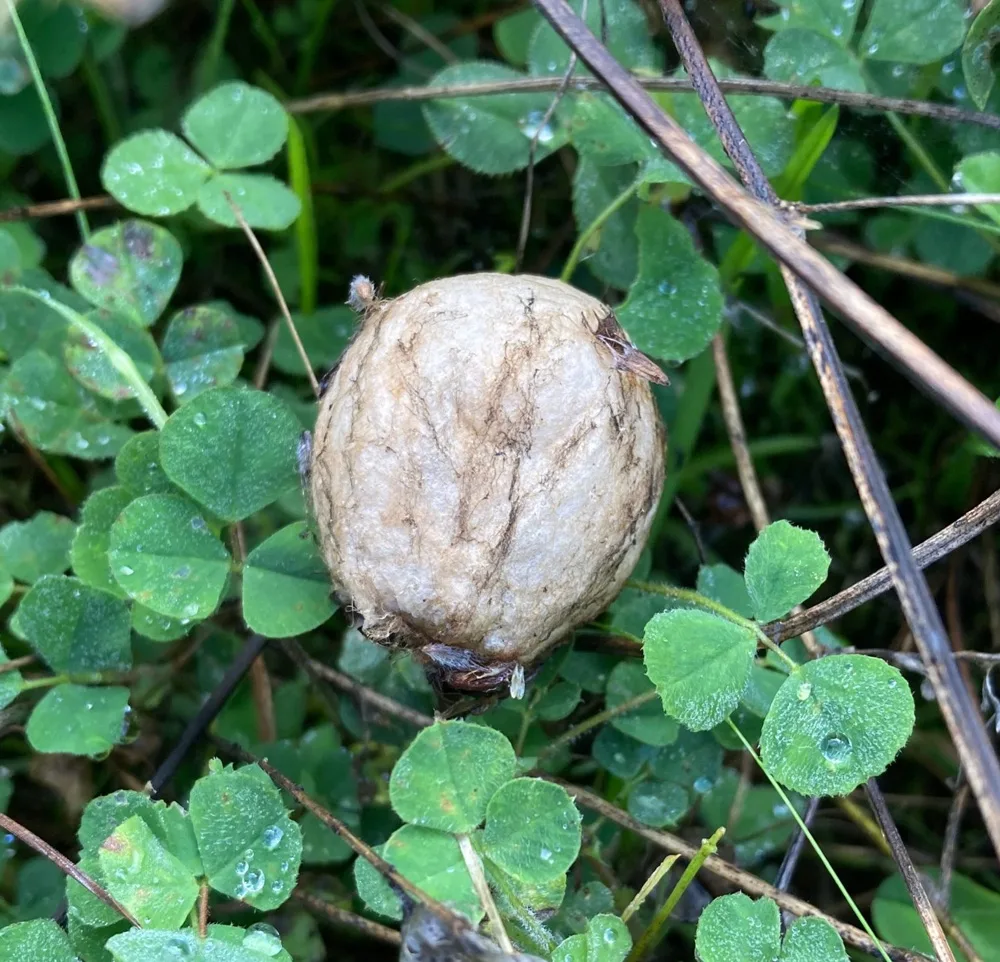
The brush harvester also delivered something unexpected. I collected three curious objects over a couple of days which I initially thought were fungi – baby puffballs, maybe (see right). They were soft and squishy, almost like half-inflated miniature basketballs. I asked several friends who, being cleverer than me, should have known, but they failed.
Finally, my curiosity got the better of me and I gently cut one open … only to discover a teeming mass of tiny spiders.
Some Googling eventually revealed the answer: it was the egg sac of a wasp spider, a beautiful creature I have seen on our downland a number of times. It creates this amazing and surprisingly tough-skinned ball, lays its eggs inside and leaves it deep in the pasture until the next warm season, when the tinies find their way out and set about growing into adult wasp spiders – if they are not eaten by someone bigger first.

I feel sure I ruined the future of those little creatures, condemning them to an early death as supper for some greedy beetle or scavenging bird. The other sacs I returned to suitable habitat in which to sit out the winter.
There were more pleasant surprises below ground, too. It was all hands to the spud field a few weeks ago, and amazing to find what lay beneath ground level considering the shortage of moisture through the season – and with no fertiliser or chemicals. Cara and Sarpo Mira were the best samples: nice, plump spuds.
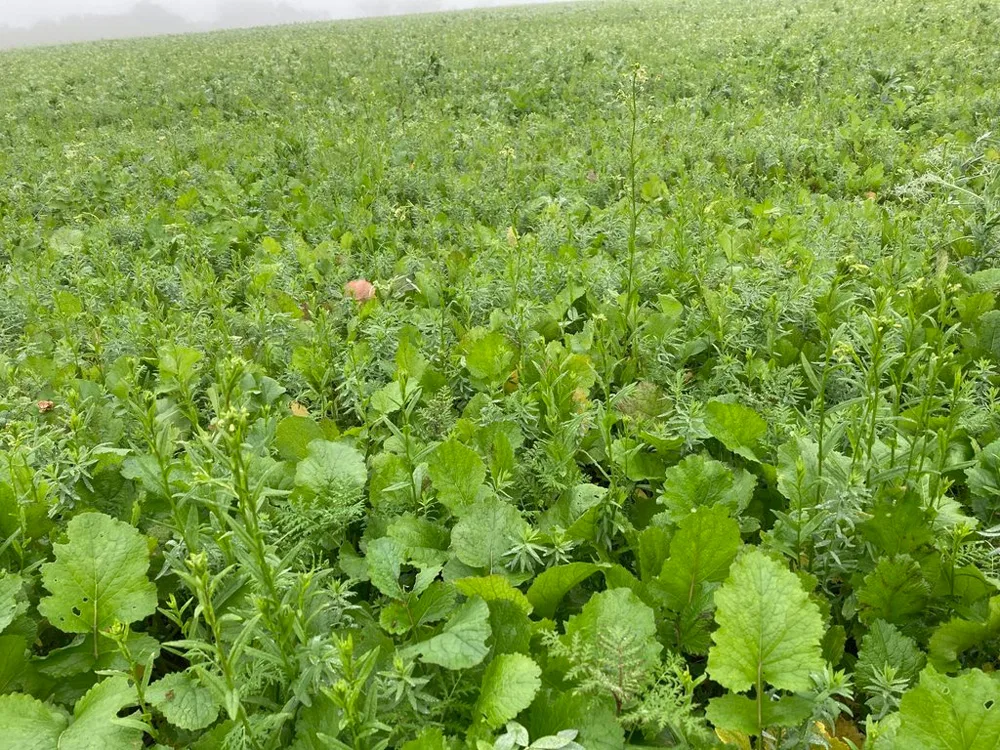
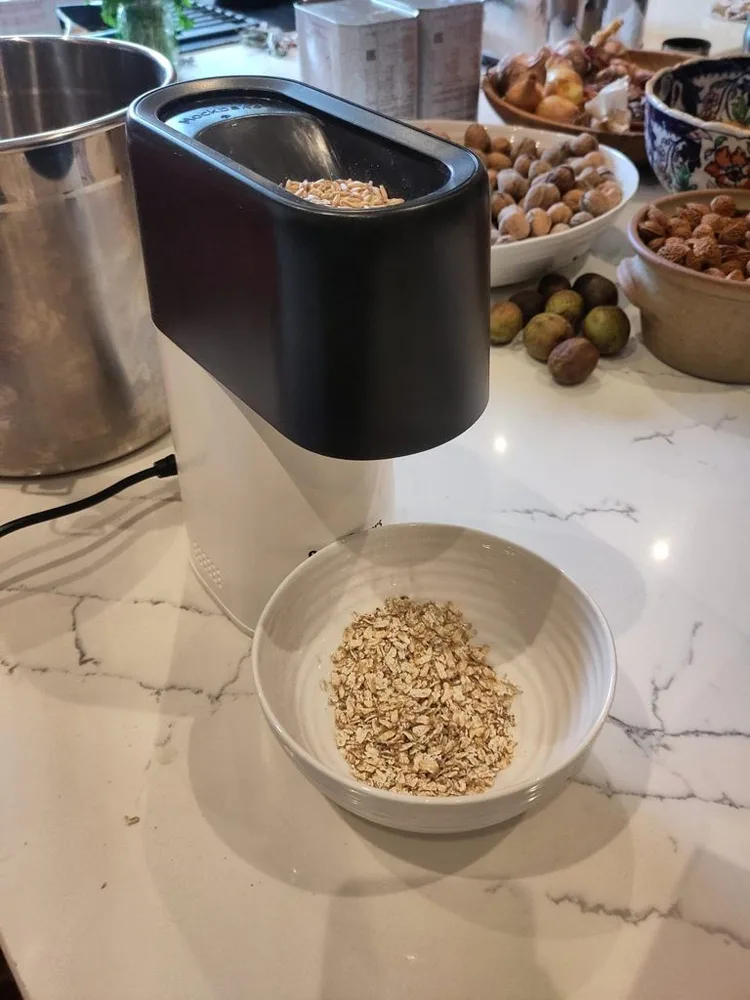
After the drought and extreme heat of the summer, autumn has at least brought some compensation. The cover crops are growing well, with plenty for the cattle to feed on over winter, it has been a splendid year for blackberries and mushrooms, and thanks to a new gadget we can now even roll our own naked oats for porridge and biscuits.
Sometimes it pays to just look away from the supermarket shelves.