

As the end of the grazing season approaches, vet Charlotte Fowler says that autumn is an important time to ensure herd and flock preventative health measures are in place to minimise winter disease and prepare for a successful spring
Cattle
It has been wonderful to see so much stock grazing after the summer of grass shortages, but autumn grass comes with some risks. Rapid autumn growth results in lush, leafy plants which are low in magnesium. The low fibre content can also increase transit time through the gut, further reducing magnesium absorption. As a result, the risk of hypomagnesaemia (also known as staggers or grass tetany) is currently high.
Cows do not store magnesium; they require it daily, and the requirement increases with stress. Anything that results in reduced grazing, for example bad weather, will increase the risk of hypomagnesaemia. Increasing magnesium supplementation during risk periods is crucial for prevention.
Signs of hypomagnesaemia range from reduced intakes and twitching to seizures and death.
Lungworm – seen as coughing at grass – risk is also high. The most at-risk group will be first-season grazing calves, but older stock may be naïve depending on wormer (anthelmintic) use in previous seasons. Cattle do develop immunity to lungworm, but effective immunity is only maintained if cattle continue to be exposed to the parasite. This year’s dry summer will have resulted in minimal larvae on pasture until the arrival of the wet weather, so there are potentially a lot of naïve cattle now exposed to high burdens. Appropriate diagnostics and treatment should be discussed with your vet if you think you may have clinical lungworm.
It is also time to ensure pneumonia vaccinations have been ordered for youngstock pre-housing. This may be a one-off booster if calves have already received a primary course, or a two-dose course for animals receiving it for the first time. It is important to remember that, for most vaccines, full immunity occurs two to three weeks after the second dose. As housing is stressful and creates an environment with a higher pneumonia risk, it is crucial that vaccination is carried out in advance of this risk period.
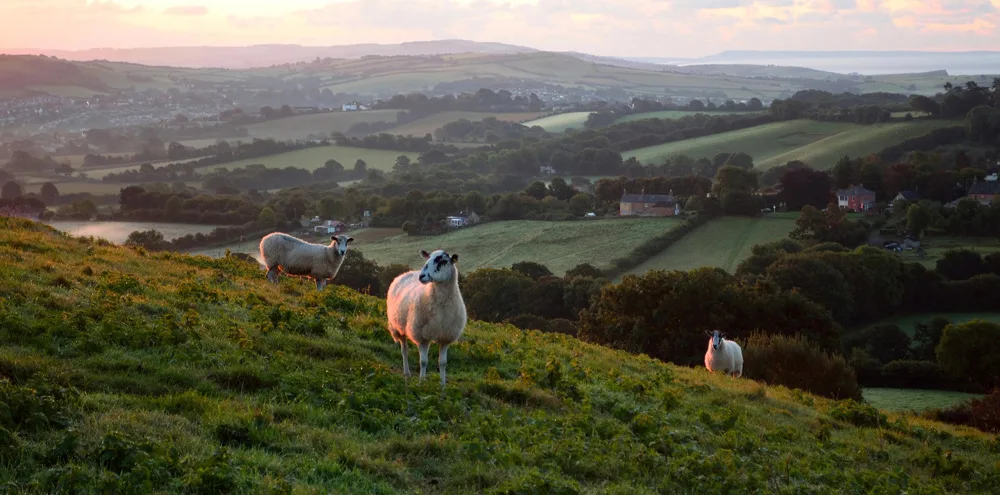
Sheep
Autumn is a good time to body condition score ewes and create a separate group of thinner ewes for supplementation or better grazing. This is often best done at the same time as scanning. Nutritional requirements increase by up to 75% in late pregnancy, just as the growing foetus or foetuses reduce rumen capacity. It is therefore essential to ensure that ewe dry matter intake is maximised and the protein content of the diet is sufficient.
The degree of energy deficiency in late pregnancy will affect the severity of the problems seen. Low birthweights and poor colostrum quality can result in poor lamb survival and subsequent growth.
Severe energy deficiency, or pregnancy toxaemia (also known as twin lamb disease), has a poor recovery rate and can result in mortality of the lambs and ewe.
Alongside body condition scoring, metabolic profiling is an important tool for checking nutritional status in your flock. Aim to blood sample 10 to 20 ewes three to four weeks pre-lambing to allow time to make diet changes if the results indicate a need to.
The Animal Health and Welfare Pathway funding follow-up could be utilised to pay for this. You may wish to also check mineral status at the same time.
This is also a good time to review your vaccination programme and check clostridial and Pasteurella vaccines have been purchased, and that planned vaccination dates are appropriate for your expected lambing start date. Most vaccines need to be given four to six weeks pre-lambing to ensure optimum cover for the lambs via the colostrum.
Bovilis Huskvac update
MSD announced the discontinuation of the only lungworm vaccine licensed in the UK this summer. This is a huge blow to the progress made in reducing reliance on anthelmintics (wormers). There is proven resistance of lungworm to the macrocyclic lactone class of anthelmintics in the UK.
The British Cattle Veterinary Association (BCVA) has been campaigning for production of the vaccine to be maintained, or to establish whether an alternative producer or replacement pathway is feasible. We will update you if there are any changes.
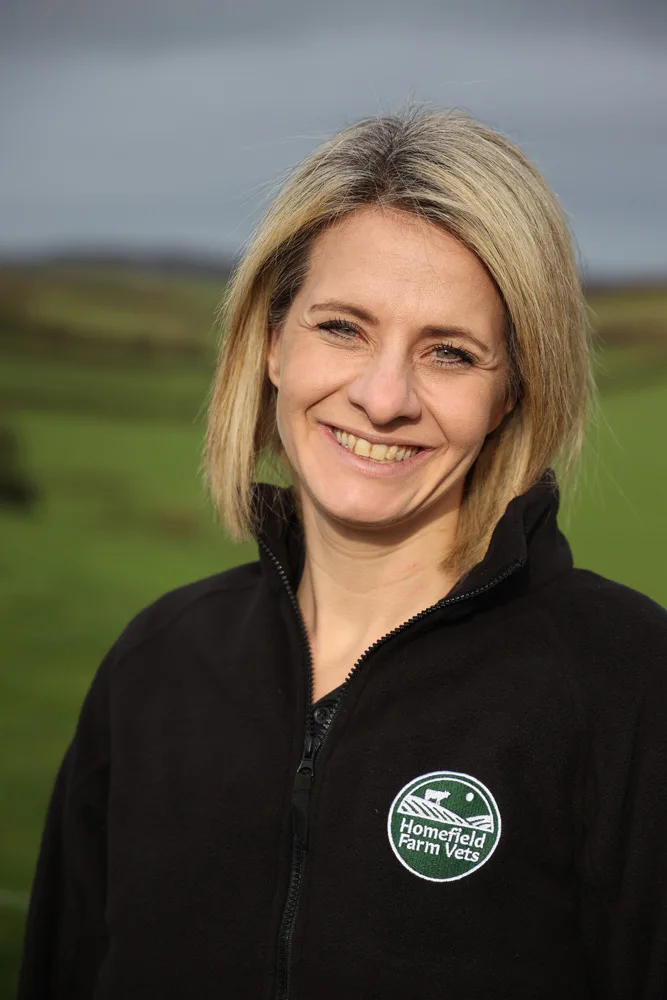
Quick Q&A with Alice Miller
My role:
I am director and founder of Homefield Farm Vets. As well as managing the business, I am a clinical farm animal vet with a master’s degree in bovine reproduction and almost 20 years of experience in farm animal practice.
My favourite farm animal: Goats! I grew up with pet ones, and they are where my farm animal interest began.
My favourite tractor: Massey Ferguson – the first tractor I drove on my uncle’s farm
My favourite flower: Poppy
My favourite hobby: Watercolour painting and walking the dog with my family