


From the consequences of bluetongue and bovine TB to severe drought, bird flu and a crisis in Britain’s small-abattoir network, we round up the stories affecting Dorset agriculture this month.
From the consequences of bluetongue and bovine TB to severe drought, bird flu and a crisis in Britain’s small-abattoir network, we round up the stories affecting Dorset agriculture this month.
Bluetongue leaves Dorset farmers facing the consequences
Dorset’s confirmed bluetongue count has now reached 76 premises, up from 52 at the end of September, but the next problem may be what happens after the outbreak. By the end of October, some early-lambing Dorset flocks were reporting ‘dummy lambs’, although vets stress that bluetongue cannot yet be confirmed as the cause. Fertility problems in cattle and sheep are also emerging as a concern following infection during the summer. The rise in confirmed Dorset premises has slowed considerably from September’s rapid rise, but farmers are being advised to discuss fertility testing and next year’s vaccination programme with their vets.
Government rules out bluetongue vaccine subsidy
Somerset MP and farmer Sarah Dyke challenged farming minister Stephen Morgan over the cost of this summer’s bluetongue outbreak at the Environment, Food and Rural Affairs (EFRA) Committee. She told MPs that fallen-stock collections in the South West had been running at three to four times normal levels, with disposal charges reaching £35 per sheep and more than £160 per cattle beast. Asked whether England might follow European countries in subsidising bluetongue vaccination, Morgan said the Government does not currently believe there is a case for either mandatory vaccination or vaccine subsidies. He said Defra was instead reviewing lessons from the outbreak, including testing capacity, communication and support for affected farms.
Britain’s shrinking abattoir network reaches crisis point
Britain has lost more than nine in ten of its abattoirs since the 1970s, with numbers falling from around 2,500 to roughly 200 today.
More than 150 farming, food and rural organisations have now written to the Prime Minister calling for local slaughter capacity to be recognised as essential infrastructure. Sarah Dyke raised the issue at the EFRA Committee, warning that small and medium-sized abattoir closures threaten local supply chains, rare breeds and organic farmers. She asked whether the Smaller Abattoir Fund, closed in 2024, would be replaced. Stephen Morgan said Defra was examining regulatory burdens and would consider the case for additional support.
Two cattle slaughtered after TB tests were clear post-mortem
Sarah Dyke also used the EFRA hearing to highlight continuing concerns over bovine TB testing.
She told ministers that two cows from her family farm had been compulsorily slaughtered this October after reacting to TB tests – only for post-mortem results to show both animals were clear of the disease. Dyke pressed on testing accuracy and whether the planned cattle vaccination programme remains on track for 2030.
Stephen Morgan said the Government has adopted its new bovine TB control strategy and will publish the next stage before Christmas. Defra officials also confirmed work on wider use of blood testing and said that further changes to testing rules would be considered.
Bird flu returns – with H5N1 detected in Dorset wild birds
Highly pathogenic avian influenza has returned for the 2026/27 season, with commercial poultry outbreaks confirmed in England and Scotland during October and early November. Government surveillance has also recorded H5N1 in wild birds in Dorset, including mute swans and a shag.
Defra is urging all poultry keepers to tighten biosecurity as migratory waterfowl arrive for winter. Eligible poultry businesses in England can access a funded £430 veterinary biosecurity review, including an on-farm assessment and written recommendations.
The first English commercial outbreak of the new season was confirmed in Northumberland on 19 October, followed by another in North Lincolnshire on 4 November.
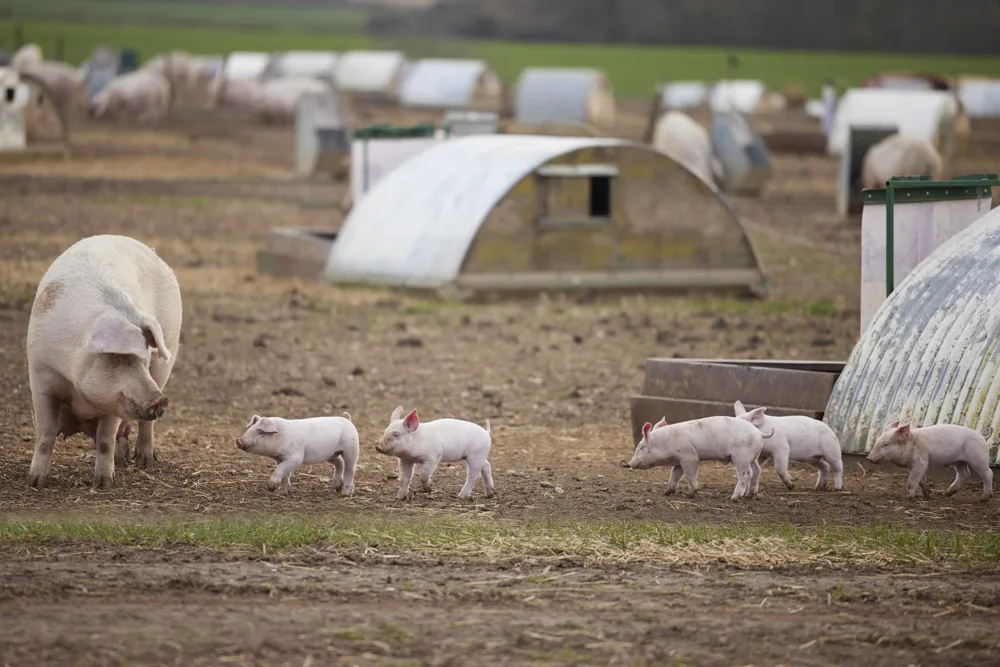
Pig sector warns 15,000 pigs a week could have nowhere to go
Pig producers are warning of another potential backlog on farms as contracts end and processor capacity tightens.
The National Pig Association estimates that around 15,000 uncontracted pigs each week could be left without a market through the winter, raising concerns over housing, feed costs and animal welfare. The issue was raised directly with farming minister Stephen Morgan at the EFRA Committee, where MPs warned that abattoirs are already operating close to capacity.
The NPA is asking Defra to consider measures including a slaughter incentive scheme and private storage aid to prevent a repeat of the serious pig backlog seen earlier this decade.
Dorset enters severe drought as winter refill fears grow
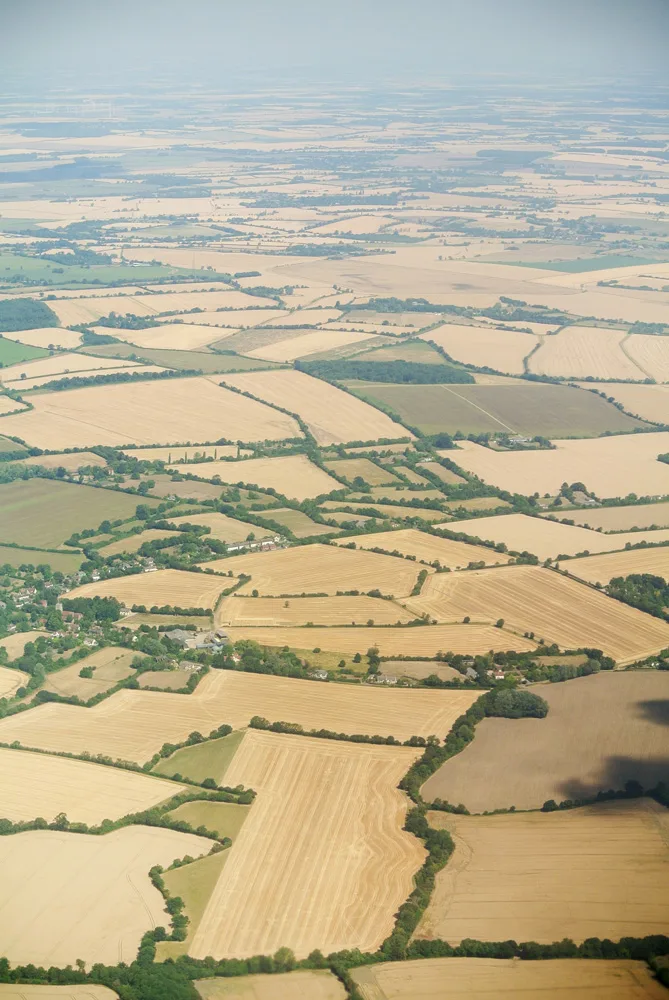
Parts of Dorset were formally moved into severe drought status on 15th October after the driest April-to-September period in the South West for more than a century. Heavy rain later in the month improved river flows, but severe drought remains and groundwater at Woodyates in the upper Dorset Stour chalk was classed as exceptionally low.
The Environment Agency says a major concern for agriculture is now whether farm reservoirs can refill sufficiently over winter for the 2027 irrigation season. Some growers nationally are already considering reducing irrigated cropping next year.
Poaching returns to East Dorset
Dorset Police has activated its winter rural-crime plan after renewed poaching around Sixpenny Handley. Police say recent offending has included not only illegal hunting but intimidation of farmers and landowners, criminal damage and the use of catapults. Operation Galileo, the national response to hare coursing and poaching, runs alongside Operation Ragwort, which tackles organised rural crime across county boundaries. The issue has been made a policing priority for East Dorset Rural team.
For farmers, the damage caused by vehicles, broken gates and threats to landowners can often be more costly than the poaching itself.
New stewardship options open for orchards and wet grassland
Farmers can now express interest in two new simplified Countryside Stewardship Higher Tier agreements covering traditional orchards and wet grassland for wintering waders and wildfowl.
The new single-focus agreements opened on 3rd November and are intended to offer a simpler route into Higher Tier funding.
Payments include £471 per hectare a year for creating traditional orchards and £547 per hectare for managing suitable wet grassland for wintering birds.More than 1,100 expressions of interest have already been received for the earlier single-focus Higher Tier options.
For Dorset, with its remaining traditional orchards, floodplain grasslands and wet meadows, both additions could have practical local relevance.