

I saw something unusual recently. I was in Lyme Regis on a Sunday morning when a bus passed me. A working bus. On a Sunday.
It was quite the apparition, being accustomed as I am to sporadic weekday services in rural Dorset. It made me realise how I had normalised poor transport connections. However, Dorset Council has just announced a £65 million investment in public transport over the next seven years. Could we be about to see some radical change in how we get from A to B?
In Dorset, public transport use has decreased since 2020 and the COVID-19 pandemic. Since 2022, bus journeys in the county have fallen by two million a year. It can feel like a self-fulfilling prophecy: services are sporadic, so fewer people use them, making them still harder to sustain. The business case published by Dorset Council states the current public transport system is not fit for purpose – which most of us outside conurbations have known for a long time. Cllr Jack Jeanes, Dorset Council’s Cabinet Member for Place Services, said: ‘Good transport opens doors. It helps people get to work, education, healthcare, shops and social activities, and plays a huge part in tackling isolation and supporting independence.’
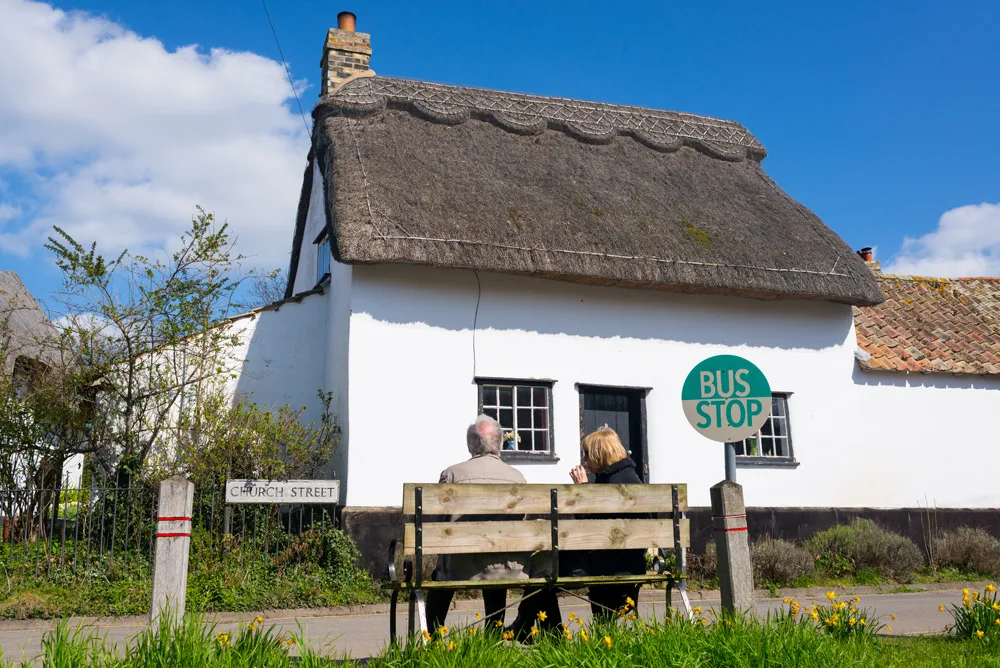
Time to rethink
The new plan promises 700 additional bus journeys each year, flexible transport, and schemes to help young people travel more confidently. Will every village finally be connected to public transport that goes all over Dorset? Not quite. Instead, the council is proposing a network built around enhanced core routes, supported by community and flexible transport. A Dorset Council spokesperson told Dorset Life: ‘Providing a conventional bus service to every village is not realistically affordable or likely to be sustainable. Instead, we are developing a more connected network, where enhanced core bus routes provide all-important links between our towns and essential services, supported by community transport and flexible transport to help people make the first and last part of their journey from rural communities. This allows us to improve access across rural Dorset by connecting more communities into the wider transport network, even where a traditional bus service would not be viable.’
Some of these changes mean that smaller communities may see schemes that involve demand-driven transport, and those run by volunteers. For some communities, that could mean demand-responsive services, with journeys operating according to bookings rather than a fixed timetable. But whether such schemes can meet the needs of isolated rural communities remains a key question. Jane Somper is Dorset Councillor of Beacon Wards: ‘The biggest opportunity is to rethink how we provide transport for rural communities, rather than simply trying to replicate conventional bus services where they are not viable,’ she told Dorset Life.
‘In North Dorset, the priority must be reaching isolated villages and outlying areas where residents have few or no alternatives to a car. Demand-responsive transport, with journeys booked to meet people’s needs, could offer a practical solution.
‘But we need to focus on what works for residents, not simply what looks good on paper. Success should be measured by whether people can get to medical appointments, shops, work and other essential services.’
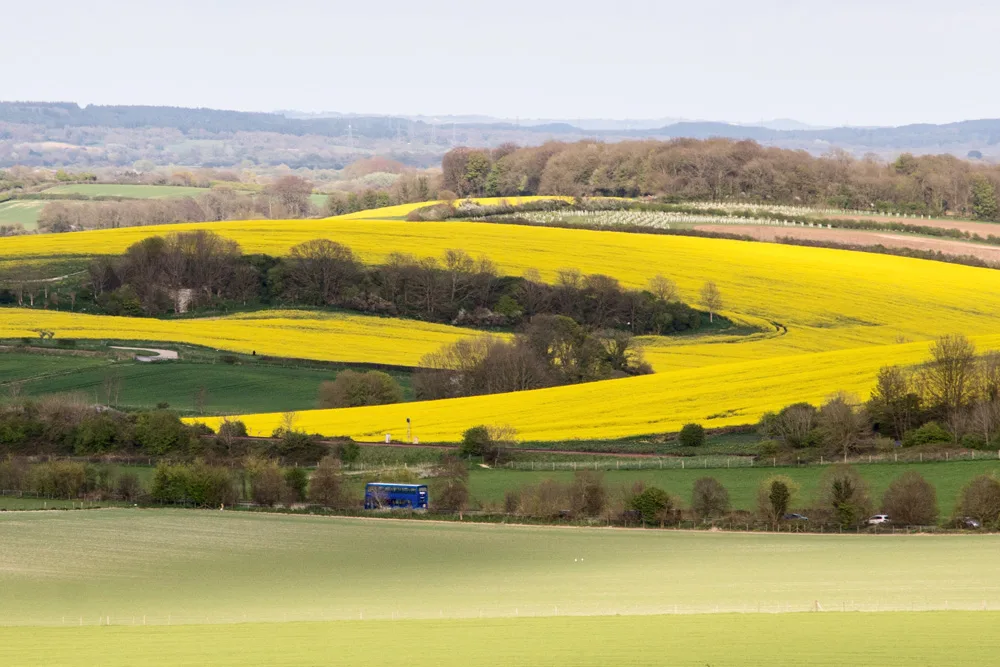
Bus on demand
Access to hospital appointments is a particular issue in rural areas, especially as more services are centralised. In a potentially significant move, the NHS is now working with the council to improve connections between Dorset communities and hospitals.
A Dorset Council spokesperson said: ‘Improving access to healthcare appointments and other essential services is a key part of the programme. The council will work with partners to better coordinate transport services, strengthen community transport provision and introduce flexible transport solutions in areas where conventional bus services are not viable. This might be using smaller minibuses, like the Wiltshire Connect scheme, for example, where rather than following a fixed route or timetable, journeys are booked in advance and routes are designed around passenger need and demand.’
The changes will be introduced in stages, and not all of the funding is yet secured. The £65 million programme is expected to draw on a combination of existing transport funds, government funding, developer contributions and external grants. While some funding is already in place, delivery of the wider connected transport system will depend on further finance being confirmed.
That’s something that concerns Jane Somper: ‘I welcome the ambition, but I am not yet convinced that the funding matches the promises being made,’ she says. ‘Rural communities have heard plenty about the need to improve transport, but the real test is whether this translates into reliable services for people who currently have very limited or no public transport. ‘The administration needs to demonstrate how the proposals will be funded, what they will deliver and which communities will benefit. Until we have that clarity, residents have little reason to be confident that the investment will make the difference they desperately need.’
Jane also cautions against rural communities becoming reliant on volunteers: ‘Volunteers can make a real difference, particularly in rural communities where conventional public transport is limited or unavailable. But volunteering must complement a sustainable transport system, not become an excuse for failing to provide one. Volunteer-led schemes need proper support, resources and confidence that they can continue operating.
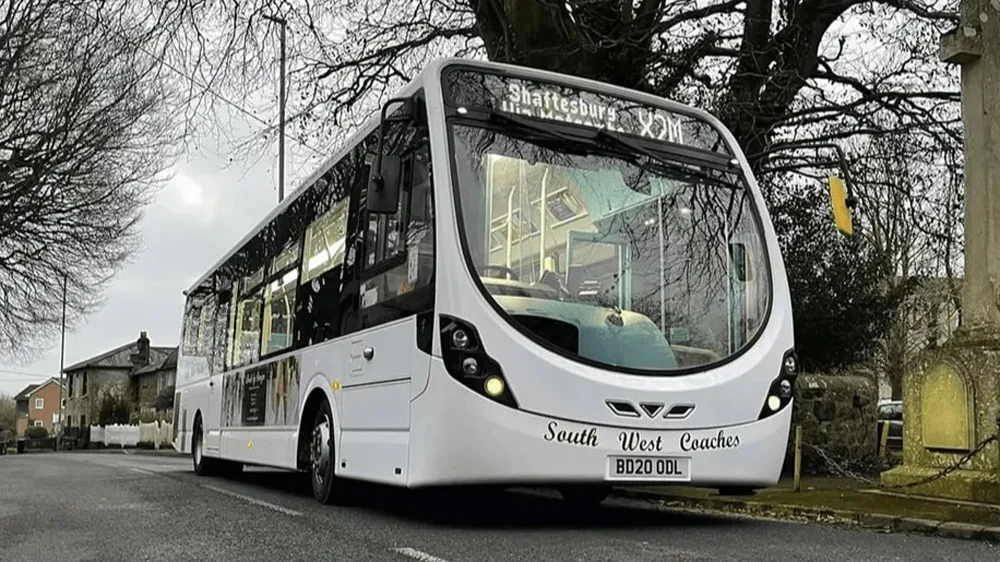
‘The closure of Shaftesbury Car Link raises questions around this. We need to understand why the scheme stopped and what lessons can be learned, whether the issues were volunteer capacity, funding, the operating model or a combination of factors.
‘If we want community transport to be part of the solution, we must give these schemes the support they need to succeed. Rural residents should not have to rely on goodwill alone to access essential services.’
The programme is expected to run over the next seven years, with changes introduced in stages. The real test will be much simpler: in seven years’ time, will seeing a bus on a Sunday morning still feel unusual?
by Rachael Rowe
Independent Dorset journalism matters.
Dorset Life is free to read, and always will be. If you value the stories we tell, the questions we ask and the communities we give a voice to, you can help us do more of it.
Support Dorset Life →