

Charity shops exist to turn unwanted belongings into much-needed funds. But when what we give can’t be sold, charities are left with an awkward – and expensive – problem
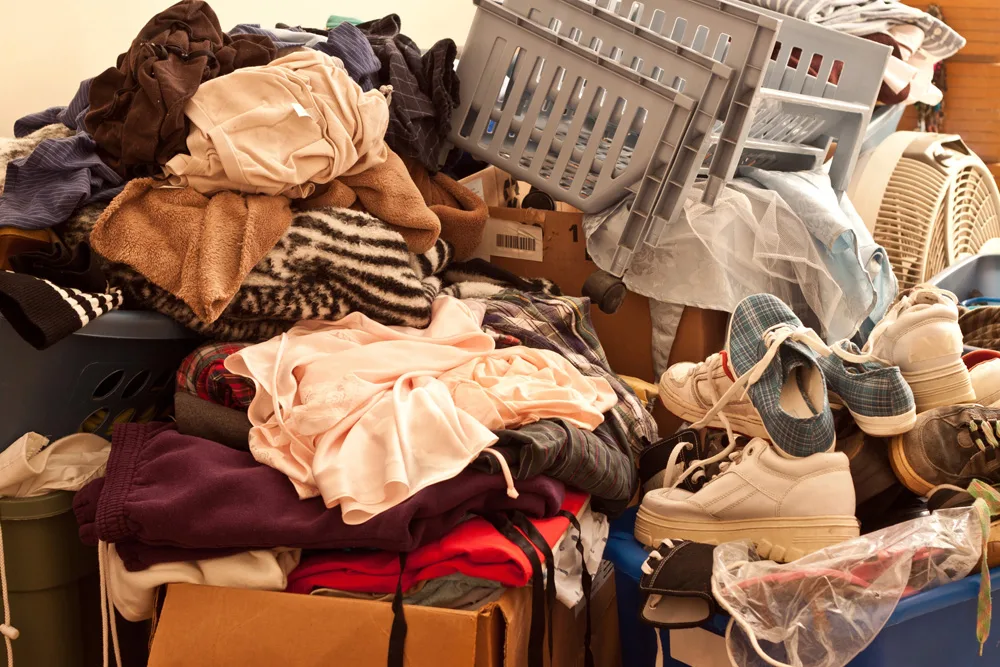
I had an interesting experience at a local charity shop recently. After a long overdue declutter, I took some bits into a shop supporting a Dorset charity. I was met by a frosty manager, demanding to know whether what I was donating was clean and not broken. Taken aback, I followed her into the back room where she unpacked all my items, gave them the once over, and after finding no dirty clothes or chipped plates, thanked me for my donation.
‘We get so much rubbish and rags,’ she explained. ‘Just rags. And it’s a lot worse since they introduced booking at the tip. We have to pay to get rid of it.’
She looked exasperated, and I’m guessing she would have sent me packing if I had been churlish enough to donate rags and broken crockery. However, it got me thinking. Just what is going on with charity shops that they feel they have to inspect donations like this?
Bearing in mind that people may be clearing a deceased relative’s estate – an already sensitive item – is there any need to check what people are bringing in?
£2,500 a month to throw it away
Sadly, there is every need to check – because these days people are literally dumping junk in charity shops. Charities need to protect themselves against becoming a waste disposal service.
The Dorset Blind Association recently revealed that it spends upwards of £2,500 each month disposing of unsaleable items. When donations contain broken or stained goods, they have to be separated and disposed of – and that takes money directly from charitable funding, defeating the reason people donate in the first place. It’s also highly unpleasant for the staff.
Cheryl Basten runs Stur Action, which operates three secondhand shops in Sturminster Newton. All profits from the shop go straight back into the town, to fund amenities such as Christmas lights, flower displays and festivals. She has had to put firm policies in place to stop unsaleable furniture being donated.
‘We now run an appointment-only system for furniture – and people must send us photos beforehand. They cannot just arrive with it.
‘It’s really hard to get rid of stuff that doesn’t sell. We used to have a skip, but it cost us a fortune. We’re all supposed to be greener now, but there is nothing out there to help charities with this waste problem. We have to pay for the bin collection – and that comes out of the money we make for the charity. It has got worse since people have to book appointments for the tip.’
In her time in the Emporium, one of SturAction’s shops, Cheryl has seen some amazing donations from the public – and others that have left her wondering why anyone thought a charity shop could use them:
‘I’ve seen soiled knickers, medication in a container and hoovers full of dirt. We’ve also had knives without a cover in amongst things – and we’re not even allowed to sell knives.’
Lesley Huckle is the manager at The Emporium. She recently unpacked a donated air fryer to find it full of chips.
‘We are having to be more selective about what we take. People need to think that if they don’t want to wear something themselves because it is worn and torn, no one else will either!
‘We try to take what we can, and some of our volunteers don’t like saying no. Most people are respectful.’
Where does it really go?
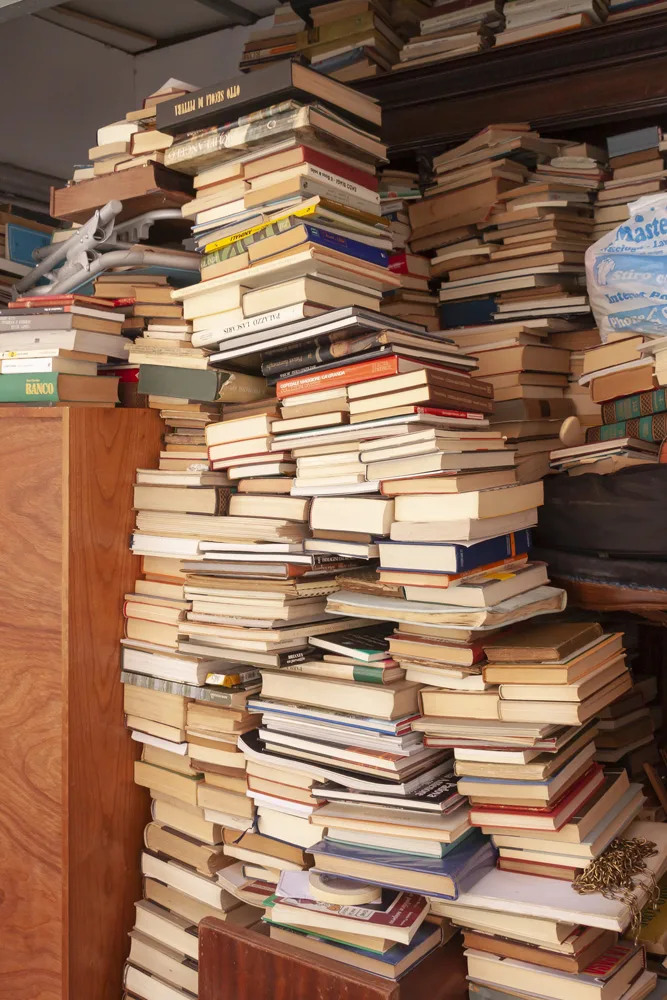
Stacked all around The Emporium are piles of free books. While the community shop is well known for its four-for-£1 shelves of really good books, many are donated which simply won’t sell – and disposing of those isn’t as straightforward as you might expect. Typically, this includes outdated textbooks, torn books and those with pages missing.
‘The rag merchants no longer take books because they cannot recycle them,’ says Cheryl. ‘So we are trying to give them away. It’s because of the glue in the binding that they can’t be recycled.’
So what can people do with books that are not good enough for a charity shop, but which cannot be picked up by the kerbside collections?
A Dorset Council spokesperson told Dorset Life: ‘In the Dorset Council area, all books, including hardback books, can be recycled at the paper banks located at our Household Recycling Centres (HRCs). From there, they are sent to a paper mill where they are processed and recycled. The small amount of glue used in book spines is not a problem for this recycling process.
‘Books should not be placed in our kerbside recycling collection – the recycling facilities used for kerbside collections are not designed to process books, so they cannot be recycled through this service. Don’t forget, books that are in good condition can be donated to charities or other organisations, allowing them to be enjoyed by more people before they are eventually recycled.’
Most of the charity shops we approached raise money directly for Dorset-based causes, and had all experienced issues with dirty, unsaleable donations. If you think donating rags is fine ‘because the rag merchant will take them’, you may be surprised. Much of the UK’s unwanted clothing is sold to commercial sorter: textiles are compressed into massive, industrial plastic-wrapped bales and exported to developing countries, including to West Africa and South Asia. But sending it elsewhere doesn’t make the waste disappear: clothing too ragged, torn or stained to be reused won’t sell in markets there either. It still has to be dealt with somewhere – and will ultimately still end up in landfill.
Donating something you no longer need can do genuine good. Donating something nobody could reasonably use simply leaves a charity paying to dispose of your rubbish.
by Rachael Rowe